Dear Kudakwashe,
You recently wrote to me, excited about the growth of your small retail business. Sales have been steady, profits are beginning to show, and you are ready to take the next big step. You told me you are thinking of using all your available cash—and even some borrowed money—to buy a huge consignment of stock. On the surface, it feels like progress. More stock means more sales, right? But I must warn you about a trap that has sunk many promising Zimbabwean businesses: the stock fallacy.
When More Becomes Less
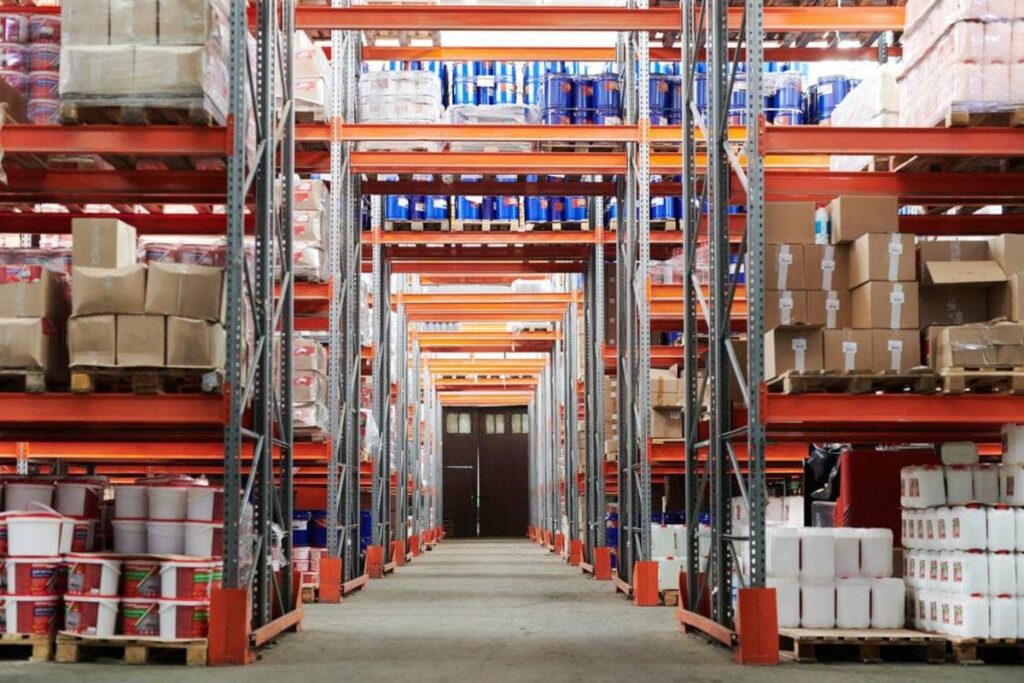
Entrepreneurs often assume that having shelves packed with goods automatically translates into higher profits. But stock that sits too long is not an asset—it is a liability. Every dollar locked in excess inventory is a dollar you cannot use for rent, salaries, marketing, or emergencies. The illusion of abundance can quickly turn into a nightmare of cash shortages.
The Dangers of Overstocking
1. Cash Flow Paralysis
A business survives on cash flow, not on how full the storeroom looks. If you tie up all your working capital in goods that do not move quickly, you will find yourself unable to pay immediate bills. Landlords, suppliers, and employees will not accept “I have stock” as a form of payment.
2. Spoilage and Obsolescence
Some products have expiry dates. Others may not expire but can lose value as tastes change. In retail, trends move quickly, and what is fashionable today may be dead stock tomorrow.

3. Pressure to Discount
Excess stock often forces entrepreneurs into desperate clearance sales. Instead of making profits, you slash prices just to recover some cash. This damages your margins and trains customers to wait for discounts rather than buy at full price.
4. Storage and Security Costs
The more stock you hold, the higher your risks of theft, damage, or the need for larger storage space. These hidden costs eat into profits and often go unnoticed until it is too late.
Why Entrepreneurs Fall for the Stock Fallacy
Fear of Running Out: You worry that if you run out of stock, customers will leave. In reality, running a lean but consistent stock strategy builds more trust than being overstocked and unable to sustain operations.

Supplier Pressure: Suppliers may offer discounts on bulk purchases, making it feel like a good deal. But if the goods do not sell quickly, that discount becomes meaningless.
Ego and Image: Sometimes, entrepreneurs want to look big. Full shelves and warehouses can feel like success, but business is not about looking successful—it is about staying sustainable.
The Smarter Approach
1. Match Stock to Demand
Use your sales history to predict what sells fast and what lags behind. Invest more in fast-moving goods and keep slow movers to the bare minimum.

2. Maintain Cash Reserves
Always keep part of your capital liquid. Emergencies and opportunities arise, and without cash you cannot act.
3. Negotiate with Suppliers
Instead of buying huge consignments, negotiate for flexible deliveries. Build relationships where suppliers can restock you quickly when needed.
4. Grow Gradually
Expansion should be paced. It is better to scale steadily with manageable stock levels than to collapse under the weight of unsold goods.

A Lesson from Many Failures
Kudakwashe, I have seen countless businesses die with full shelves. The owners thought they were investing in growth, but in reality, they were burying their capital. When expenses came knocking, they had no cash. When trends shifted, their stock became worthless. What was meant to be a blessing became a curse.
Do not let this happen to you. Stock is important, yes, but stock without cash flow is a silent killer.
Final Words
The success of your business is not measured by how much inventory you hold but by how efficiently you move it. Be wise. Grow within your means. Keep your shelves stocked but not suffocating. Remember: profit comes from turning stock into cash, not from hoarding it.

Your dream deserves sustainability, not suffocation. Do not fall for the stock fallacy.
With respect for your entrepreneurial journey,
ZimLedger Admin


ZimLedger
ZimLedger is the all in one business and finance platform for Zimbabwe. It generates quotes, invoices, payslips and financial statements, manages business ledgers, tracks income and expenses, and builds shopping lists. ZimLedger offers a simple yet powerful solution tailored to local needs. Whether you are budgeting in ZiG or USD, managing business accounts, converting Ecocash statements, or tracking household expenses, ZimLedger empowers you to stay organised, make informed financial decisions, and grow your wealth—right from your phone or computer.