
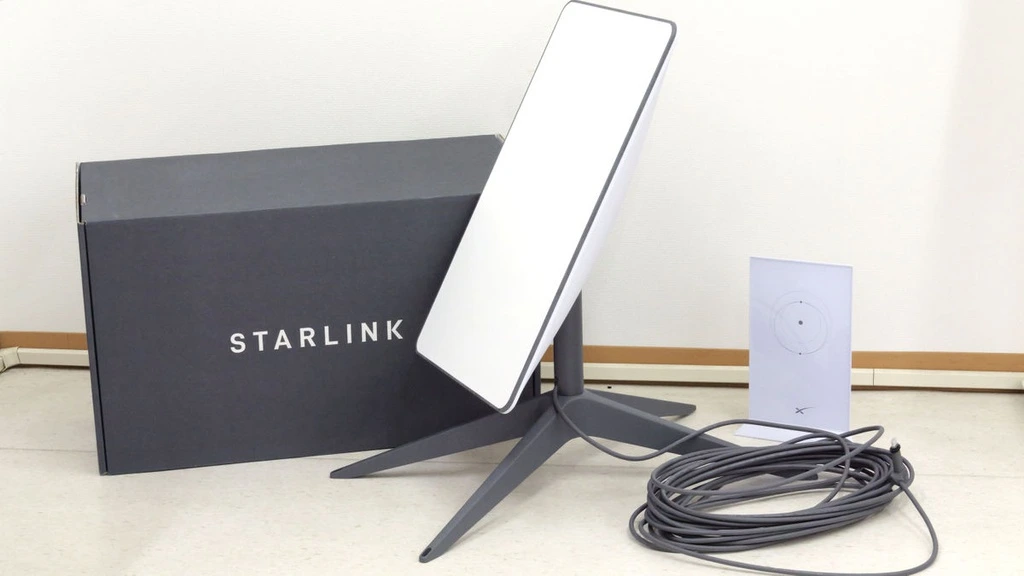
🙏 Thank you to everyone who participated in our Starlink business model poll. We presented a concept where entrepreneurs pay $30-$50 per month for Starlink, set up Wi-Fi hotspots at growth points and rural business centers, then charge users $1 per day, $5 per week, or $10 per month for unlimited internet access. We asked whether this business model would work, and the results show significant optimism.
Poll Question: Starlink costs about $30–$50 per month. You go around growth points and rural business centres setting up Starlink Wi-Fi hotspots, then charging users $1 per day, $5 per week, $10 per month for unlimited internet access.
Will this work?
Total votes: 197
Poll Results:
Yes — Internet demand is high, and the packages are affordable → 132 votes (67.0%)
No — Rural people would not consistently pay for Wi-Fi → 45 votes (22.8%)
No – The business model will not work → 20 votes (10.2%)

Key Findings:
Strong Belief in Viability: With 67.0% believing the model will work due to high internet demand and affordable pricing, there is substantial confidence in the Starlink hotspot business opportunity.
Payment Consistency Concerns: 22.8% doubt that rural people would consistently pay for Wi-Fi, highlighting valid concerns about payment reliability and customer retention in rural markets.
Business Model Skepticism: 10.2% believe the model fundamentally will not work, suggesting concerns about profitability, competition, or operational challenges.

Combined Opposition: 33.0% have reservations about the business model, indicating that while majority support exists, significant skepticism remains about execution challenges.
Understanding the Support (67.0%):
Why People Believe This Will Work:
High Internet Demand: Internet access is increasingly essential for communication, business, education, entertainment, and accessing government services, creating consistent demand even in rural areas.

Starlink’s Coverage Advantage: Unlike mobile networks that have poor or inconsistent coverage in many rural areas, Starlink works everywhere with satellite connectivity, solving a fundamental infrastructure problem that mobile operators have not addressed.
Affordable Pricing: At $1 per day, $5 per week, or $10 per month, the pricing is significantly cheaper than mobile data bundles for equivalent usage, making it accessible to rural populations.
Starlink Reliability: Starlink provides stable, high-speed internet without dependence on mobile network towers or traditional ISP infrastructure, offering consistent service quality where mobile networks fail.

Multiple Revenue Streams: Flexibility in pricing (daily, weekly, monthly) allows customers to choose based on their needs and budget, maximizing potential customer base.
Growth Point Traffic: Business centers and growth points have consistent foot traffic and businesses that need reliable internet, providing stable customer base.
Cost Structure:
– Starlink subscription: $30-$50 per month
– Equipment cost: One-time investment in Starlink kit
– Wi-Fi router and access point: Minimal additional cost
– Location rental (if applicable): Variable
– Solar power system: Essential investment as ZESA is not reliable in rural areas

Understanding the Skepticism:
Payment Consistency Concerns (22.8%):
This group raises valid operational challenges:
Irregular Income: Rural populations often have irregular income from farming or informal business, making consistent monthly payments difficult even if they value the service.

Competing Priorities: When money is tight, internet may be deprioritized compared to food, transport, or other necessities.
Mobile Data Competition: People may default to familiar mobile data bundles despite higher costs because they can buy small amounts as needed.
Payment Collection: Without automated digital payment systems, collecting cash from customers can be challenging and time-consuming.

Seasonal Variations: Rural areas experience seasonal income fluctuations (harvest times vs. lean periods) affecting ability to maintain subscriptions.
Business Model Skeptics (10.2%):
This group likely sees fundamental flaws:
Equipment Theft Risk: Starlink equipment is valuable and could be targeted for theft in some locations.

Power Infrastructure Required: Need for reliable solar power system adds to initial capital investment.
Competition: Mobile networks are improving coverage, and other entrepreneurs may replicate the model, creating competition.
Regulatory Issues: Potential licensing or regulatory requirements for operating public Wi-Fi services.

Customer Acquisition Costs: Marketing and educating rural customers about the service may be expensive and time-consuming.
Critical Success Factors:
Location Selection: Choose high-traffic growth points and business centers with demonstrated internet demand.
Solar Power Investment: Install reliable solar power system to ensure consistent service despite ZESA unreliability in rural areas.

Flexible Payment Options: Accept EcoCash, cash, and various subscription periods to accommodate different customer preferences and financial situations.
Customer Education: Demonstrate value through free trials or promotional periods to build habit and loyalty, especially emphasizing Starlink’s superior coverage compared to inconsistent mobile networks.
Service Quality: Maintain consistent uptime and good speeds to justify pricing and retain customers.
Multiple Locations: Spread risk across several hotspots rather than depending on single location success.
Additional Revenue: Offer value-added services like printing, phone charging, or device sales to diversify income.
What This Means:
The 67.0% support indicates strong belief that rural and growth point internet demand justifies the Starlink hotspot business model. The affordable pricing structure makes internet accessible to populations previously excluded by expensive mobile data or lack of infrastructure. Starlink’s ability to provide consistent coverage where mobile networks fail or are weak gives this model a significant competitive advantage in underserved areas.
However, the 22.8% concerned about payment consistency raise legitimate operational challenges that cannot be ignored. Rural business success requires understanding customer payment patterns, offering flexibility, and maintaining service quality that justifies ongoing subscription.
Key Takeaway:
There is substantial market belief in the Starlink Wi-Fi hotspot business model, with 67.0% seeing it as viable due to high internet demand and affordable pricing. Starlink’s key advantage is providing reliable internet coverage in rural areas where mobile networks are inconsistent or non-existent, solving a fundamental connectivity problem.
However, success requires careful attention to the 22.8% who question payment consistency. Entrepreneurs must design payment systems that accommodate rural income patterns, offer flexibility in subscription periods, and maintain service quality that makes internet access a priority expense rather than optional luxury. Investment in solar power is essential to ensure service reliability given ZESA’s unreliability in rural areas.
The business opportunity is real, particularly in underserved growth points and rural business centers where internet access can transform education, business, and communication. For entrepreneurs willing to navigate these challenges with proper solar infrastructure and flexible payment models, the Starlink hotspot model offers a scalable business opportunity that serves genuine market need while addressing the connectivity gap that mobile networks have failed to solve.

ZimLedger
ZimLedger is the all in one business and finance platform for Zimbabwe. It generates quotes, invoices, payslips and financial statements, manages business ledgers, tracks income and expenses, and builds shopping lists. ZimLedger offers a simple yet powerful solution tailored to local needs. Whether you are budgeting in ZiG or USD, managing business accounts, converting Ecocash statements, or tracking household expenses, ZimLedger empowers you to stay organised, make informed financial decisions, and grow your wealth—right from your phone or computer.