
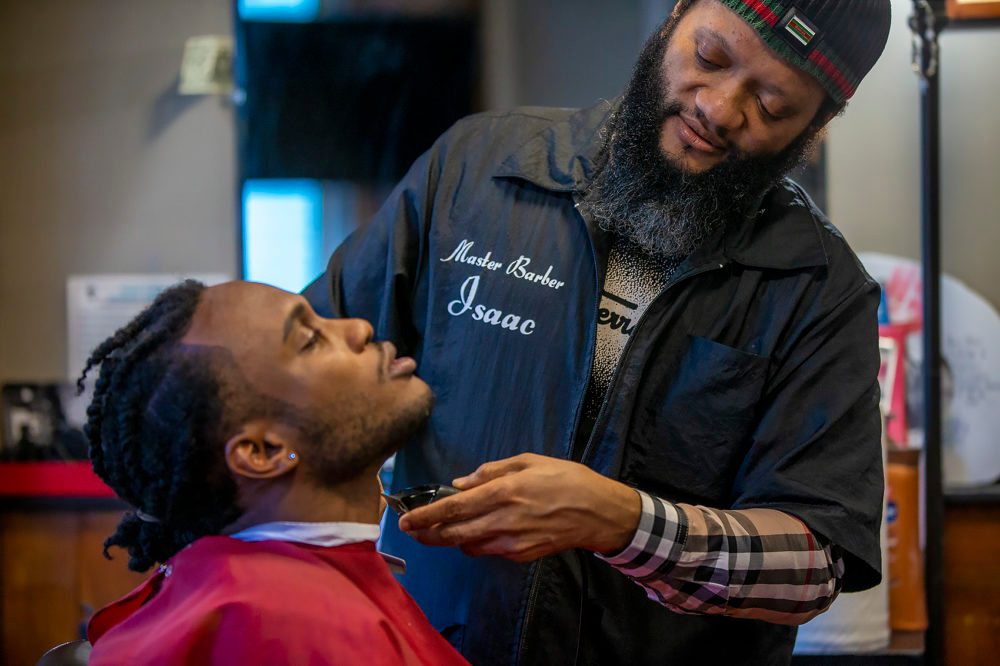
Poll Question: Gentlemen, how much do you pay for a haircut in Zimbabwe?
Men’s Haircut Poll – Total votes: 279
Poll Results:
$1 → 166 votes (59.5%)
$2 → 63 votes (22.6%)
$5 → 25 votes (9.0%)
$3 → 12 votes (4.3%)

$10 → 9 votes (3.2%)
$12 or more → 3 votes (1.1%)
$8 → 1 vote (0.4%)

Poll Question: Ladies, how much do you usually pay for your hair at the salon (labour only)?
Women’s Hair Salon Poll (labour only) – Total votes: 127
Poll Results:
$10 → 44 votes (34.6%)
$5 → 20 votes (15.7%)

$15 → 18 votes (14.2%)
$20 → 14 votes (11.0%)
$25 → 11 votes (8.7%)

$30 → 7 votes (5.5%)
More than $60 → 5 votes (3.9%)
$40 → 5 votes (3.9%)

$35 → 3 votes (2.4%)
$50 → 0 votes (0.0%)
$60 → 0 votes (0.0%)

Key Findings:
Men’s Haircuts Are Extremely Affordable: 59.5% of men pay just $1 for a haircut, with 82.1% paying $2 or less, showing that barbershop services remain remarkably accessible and affordable for Zimbabwean men.
Women Pay Significantly More (Labour Only): Women pay substantially more even for labour alone (excluding products), with 34.6% paying $10 and 84.3% paying $10 or more, showing the substantial price gap between men’s and women’s hair services.
Extreme Gender Price Gap: Men overwhelmingly pay $1-$2 (82.1%) while women’s labour costs alone range widely from $5 to over $60, and this excludes the cost of hair products, extensions, and treatments that add even more to the total expense.

Understanding Men’s Haircut Pricing:
Why $1 Dominates (59.5%):
Simple Services: Most men get basic haircuts requiring 15-30 minutes with clippers, making low pricing viable through high volume.
High Competition: Barbershops are everywhere in Zimbabwe, driving prices down as barbers compete for customers in a crowded market.

Volume Business Model: At $1 per haircut, barbers serve many customers daily, generating income through quantity rather than premium pricing.
Economic Accessibility: $1 pricing ensures even low-income men can maintain grooming, making haircuts a necessity rather than luxury.
Understanding Women’s Hair Pricing:
Why $10 Leads (34.6%) – And That Is Just Labour:

Labour Intensity: Women’s hairstyling requires significantly more time (1-3+ hours), skill, and effort than men’s haircuts, justifying higher pricing even for labour alone.
Diverse Services: The wide price range ($5 to $60+) reflects variety in women’s hairstyles – from simple trims to complex braiding, weaving, relaxing, or styling requiring hours of work.
Products Excluded: The poll specifies “labour only,” meaning actual total costs are even higher when adding hair extensions, relaxers, treatments, and styling products, potentially doubling or tripling the final bill.

Skill Premium: Professional women’s hairstyling requires specialized training, creativity, and expertise that commands higher compensation than basic barbering.
What This Means:
The dramatic price difference between men’s haircuts ($1 for 59.5%) and women’s hair services (labour alone $10+ for 84.3%) reflects fundamental differences in service complexity, time investment, and skill requirements. Men benefit from affordable, accessible grooming through high-volume, low-margin barbershops, while women face significantly higher costs for labour-intensive styling that can take hours to complete – and this is before adding the cost of products and materials.
This gender pricing gap is not unique to Zimbabwe but reflects global patterns where women’s hair services cost substantially more due to complexity and time demands. However, the extremely low $1 price point for men’s haircuts is particularly remarkable, showing how competitive markets and volume-based business models can maintain affordability even in challenging economic conditions.
Key Takeaway:
Zimbabwean men pay remarkably little for haircuts, with 59.5% paying just $1 and 82.1% paying $2 or less. Women pay dramatically more, with 34.6% paying $10 for labour alone and 84.3% paying $10 or more just for labour, before adding the significant costs of hair products, extensions, and treatments. This demonstrates how women’s hair services cost 10 times or more than men’s haircuts, driven by labour intensity, time requirements, skill levels, and the additional expense of materials excluded from these labour-only figures.

ZimLedger
ZimLedger is the all in one business and finance platform for Zimbabwe. It generates quotes, invoices, payslips and financial statements, manages business ledgers, tracks income and expenses, and builds shopping lists. ZimLedger offers a simple yet powerful solution tailored to local needs. Whether you are budgeting in ZiG or USD, managing business accounts, converting Ecocash statements, or tracking household expenses, ZimLedger empowers you to stay organised, make informed financial decisions, and grow your wealth—right from your phone or computer.