There is a quiet crisis destroying families across Zimbabwe. It does not make headlines. It does not trend on social media. But it is happening right now — in Harare, Bulawayo, Mutare, Gweru, and every town in between.
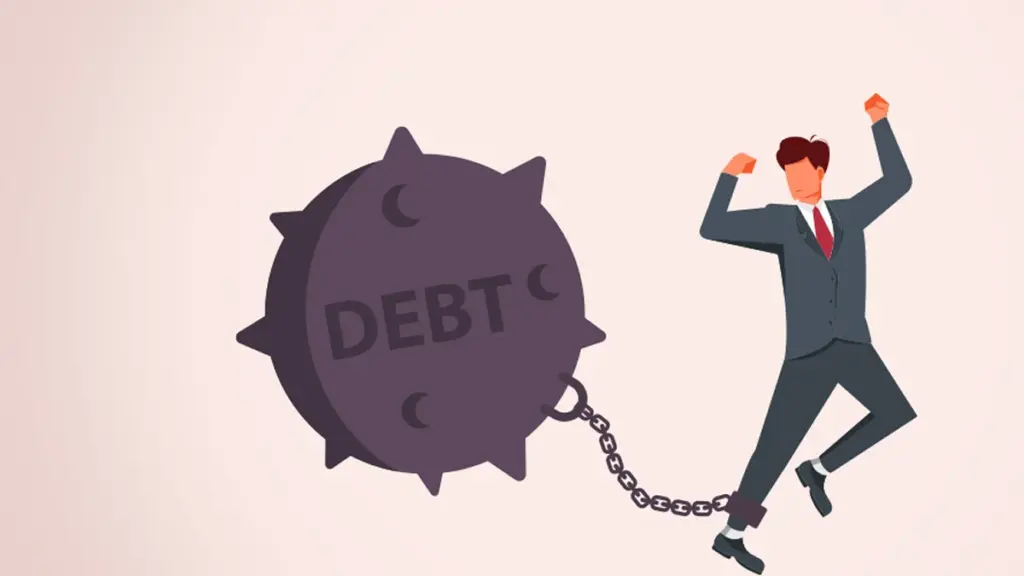
People are drowning in debt they can never repay.
They took loans thinking it would solve their problems. Instead, the loans became the problem. Now they are trapped — working to pay interest, watching their salaries disappear before they even touch the money, lying to their spouses, hiding from loan officers, and sinking deeper every month.
This is not about irresponsible people. This is about a system designed to trap ordinary Zimbabweans in permanent debt. And if you are not careful, it will trap you too.
How the Trap Works
It starts innocently enough.

You need money. Maybe school fees are due. Maybe rent is behind. Maybe there is a medical emergency. Maybe you just want to buy something and your salary is not enough.
Then you see the advert. “Quick loans. No collateral. Instant approval. Money in your account today.”
The process is easy. Too easy. You send your ID, your payslip, your bank statement. Within hours, sometimes minutes, the money is in your account. Problem solved.

Except the problem has just begun.
The Interest Rates They Do Not Want You to Calculate
That $500 loan came with terms. But you were desperate, so you did not read carefully. You did not calculate. You just needed the money.
Let me calculate for you.

Many microlenders in Zimbabwe charge between 15% and 35% interest per month. Not per year — per month.
At 20% monthly interest, your $500 loan costs you $100 in interest every single month. If you take six months to repay, you pay $600 in interest alone — more than the original loan. Your $500 became $1,100.
At 30% monthly interest, that same $500 loan costs $150 per month in interest. Over six months, you pay $900 in interest. Your $500 became $1,400.

Some lenders are even worse. Some charge 40% or 50% per month, especially the informal ones. At those rates, your debt doubles in just two to three months.
This is not lending. This is legalised robbery.
The Salary Deduction Trap
The most dangerous loans are the ones deducted directly from your salary.

You sign an agreement giving the lender permission to collect repayment straight from your employer. It feels convenient — you do not have to worry about remembering to pay.
But here is what actually happens:
Your salary is $800. The loan deduction is $350. You receive $450. But your rent is $250, transport is $80, and food is $150. That is $480 — more than you received.

So you take another loan to cover the gap. Now you have two deductions. Your take-home pay shrinks further. You take a third loan.
Within months, you are receiving almost nothing. Your entire salary goes to loan repayments. You are working full-time for free — or worse, you are working and still going backwards.
This is debt slavery. You work, but someone else collects.

The Rollover Trap
You cannot make this month’s payment. The lender offers a solution: “Just pay the interest this month, and we will roll over the principal to next month.”
It sounds like relief. It is actually quicksand.
When you roll over, you are not reducing your debt — you are just paying for the privilege of staying in debt. The principal remains. Next month, you owe the same amount plus new interest. The debt never shrinks. It only grows.

Some people have been rolling over the same loan for years. They have paid three times, five times, ten times the original amount — and they still owe the principal.
The lender loves rollovers. Every month you roll over is another month of interest. They do not want you to repay. They want you to keep paying forever.
The Multiple Lender Trap
You owe Lender A, so you borrow from Lender B to pay them. Now you owe Lender B, so you borrow from Lender C. Now you owe all three.

This is the debt spiral that destroys families.
Each new loan feels like a solution, but it just adds another creditor. The total debt grows. The monthly payments grow. The stress grows. Eventually, there is no one left to borrow from, and the entire structure collapses.
People in this trap often hide it from their families. They are ashamed. They keep borrowing to maintain the illusion that everything is fine. By the time the truth comes out, the debt is catastrophic — sometimes more than a year’s salary.

The Collateral Trap
Some lenders want collateral. Your car. Your household property. Your title deed. Your livestock.
You think: “I will repay on time, so the collateral does not matter.”
But life happens. You miss a payment. Maybe two. And suddenly the lender is at your door — not to negotiate, but to take.
People have lost vehicles they needed for work. People have had their furniture carried away in front of their children. People have lost stands their parents left them — generations of family wealth, gone to cover a $1,000 loan that spiralled out of control.
When you put up collateral, you are betting that nothing will go wrong. In Zimbabwe, something always goes wrong.
The Guarantor Trap
You do not qualify for the loan, so they ask for a guarantor. Your brother. Your friend. Your workmate. Someone with a salary who will promise to pay if you cannot.
Now your debt is their problem too.
When you fail to pay — and many people do — the lender goes after your guarantor. Their salary gets deducted. Their relationship with you is destroyed. Families have been torn apart, friendships ended, workplaces made unbearable — all because someone guaranteed a loan they thought would be repaid.
If someone asks you to be a guarantor, understand what you are agreeing to: you are agreeing to pay their debt when they cannot. Not if — when. Because if they could pay it themselves, they would not need a guarantor.
The Shame Trap
The worst part of the loan trap is not financial. It is emotional.
People in debt feel shame. Deep, crushing shame. They hide their situation from spouses, from parents, from friends. They pretend everything is fine while they are dying inside.
This shame keeps people silent. They do not seek help. They do not talk about it. They suffer alone, making desperate decisions in isolation.
The shame also keeps people paying. Lenders know this. Some use public humiliation as a collection tactic — calling your workplace, visiting your home, threatening to tell your family. You pay not because you can afford to, but because you cannot afford the embarrassment.
Shame is the lender’s best weapon. It keeps you trapped and silent.
Who Is Getting Rich From Your Debt
While you struggle, someone is profiting.
Microlenders in Zimbabwe are extremely profitable businesses. They charge interest rates that would be illegal in most countries. They target people who are desperate and have few alternatives. They design products that maximise the chances of default and rollover — because that is where the real money is.
The loan officer who smiled and processed your application quickly? They earn commission on every loan they write. They do not care if you can afford it. They care about their bonus.
The company that advertises “quick cash” on every corner? Their shareholders are getting rich from your interest payments. Your financial pain is their quarterly profit.
This is an industry built on the desperation of ordinary people. And it is thriving.
The Signs You Are Already Trapped
You might be in the loan trap right now without fully realising how deep it goes. Here are the warning signs:
🚩 More than 30% of your salary goes to loan repayments
🚩 You have borrowed from one lender to pay another
🚩 You have rolled over a loan more than twice
🚩 You are hiding your debt situation from your spouse or family
🚩 You do not know exactly how much you owe in total
🚩 You have considered taking a new loan this month to cover basic expenses
🚩 You feel anxiety or dread when you think about your finances
🚩 You have received calls or visits from debt collectors
🚩 Your take-home pay is significantly less than your gross salary due to deductions
🚩 You have put up collateral or asked someone to guarantee your loan
If three or more of these apply to you, you are in the trap. It will not get better on its own. It will only get worse unless you take action.
How to Escape
Escaping the loan trap is painful. There is no easy way. But it is possible.
Step 1: Face the truth.
Write down every loan you owe. Every lender. Every balance. Every interest rate. Every monthly payment. The total will be terrifying. Look at it anyway. You cannot escape what you will not face.
Step 2: Stop borrowing.
No new loans. None. Every new loan makes the situation worse. If you cannot afford your life without borrowing, then you need to change your life — not take more loans.
Step 3: Talk to someone.
Break the silence. Tell your spouse. Tell a trusted family member. Tell a friend. The shame loses power when you share it. And you may find support you did not expect.
Step 4: Negotiate with lenders.
Some lenders will negotiate reduced settlements, especially if the alternative is you defaulting completely. It does not hurt to ask. Some will agree to lower interest rates, extended terms, or reduced principal if you approach them directly and honestly.
Step 5: Attack the highest-interest debt first.
If you have multiple loans, focus extra payments on the one with the highest interest rate while making minimum payments on the others. This is mathematically the fastest way out.
Step 6: Increase income or cut expenses.
You need to find extra money to throw at the debt. This might mean a side hustle, selling things you own, cutting expenses to the bone, or all of the above. Escaping debt requires sacrifice.
Step 7: Never go back.
Once you are free, stay free. Build an emergency fund so you never need to borrow for a crisis again. Budget so you never spend more than you earn. The pain of escaping should teach you to never return.
Before You Take That Loan
If you are considering a loan right now, stop. Ask yourself these questions:
Is this truly necessary? Can you survive without this money? Can you delay the expense? Can you find another way?
Can you actually afford the repayments? Not “can you technically make the payment” — but can you make the payment and still cover all your other expenses without borrowing again?
What is the true total cost? Calculate the total interest over the full repayment period. Is what you are buying worth that total amount?
What happens if something goes wrong? What if you lose your job? What if an emergency takes your repayment money? What if you cannot pay?
Is there any alternative? Can you save for it instead? Can you buy a cheaper version? Can you borrow from family at zero interest? Can you do without?
If you cannot answer these questions confidently, do not take the loan. The temporary relief is not worth the permanent trap.
The Freedom on the Other Side
Imagine receiving your full salary. Not 60% of it. Not 40% of it. All of it.
Imagine having no loan officers calling. No deductions you did not choose. No debt hanging over your head when you try to sleep.
Imagine being able to save. To invest. To build. To plan for the future instead of just surviving the present.
Imagine the peace.
This is possible. People escape the loan trap every day. They sacrifice, they struggle, they pay off the last balance — and then they are free.
It takes time. It takes discipline. It takes pain. But it ends. And what waits on the other side is a life you actually control.
Protect Your Family
Share this message. Talk about debt openly. Warn your children about loans before they learn the hard way.
The loan industry survives on silence and shame. They count on people not understanding the maths, not reading the terms, not talking to each other about what is really happening.
Break the silence. Expose the trap. Protect the people you love from the cycle that is destroying Zimbabwean families every single day.
With respect for your struggle and hope for your freedom,
ZimLedger Admin

ZimLedger
ZimLedger is the all in one business and finance platform for Zimbabwe. It generates quotes, invoices, payslips and financial statements, manages business ledgers, tracks income and expenses, and builds shopping lists. ZimLedger offers a simple yet powerful solution tailored to local needs. Whether you are budgeting in ZiG or USD, managing business accounts, converting Ecocash statements, or tracking household expenses, ZimLedger empowers you to stay organised, make informed financial decisions, and grow your wealth—right from your phone or computer.