
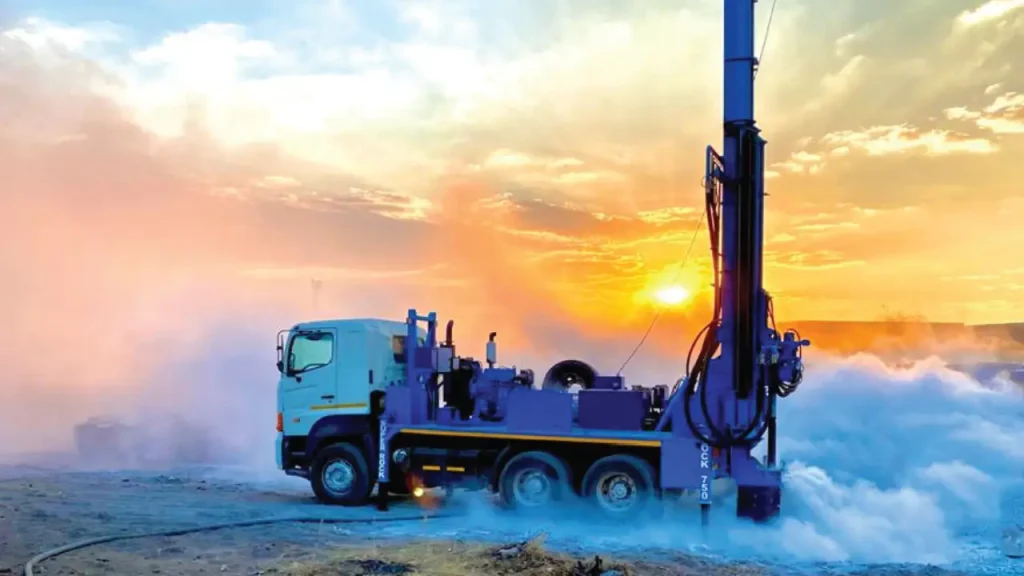
The Business That Taps Into Zimbabwe’s Greatest Need
Water is life. This is not just a saying in Zimbabwe — it is a daily reality that drives one of the most lucrative businesses in the country today.
Municipal water supply across Zimbabwe remains unreliable at best and non-existent at worst. In Harare, residents go days and sometimes weeks without water from the taps. In Bulawayo, the situation has been dire for years. Rural areas depend entirely on wells and boreholes, with many communities still lacking access to clean water. New housing developments in peri-urban areas have no water infrastructure at all. Farms and agricultural operations cannot rely on council water for irrigation and livestock.
This is where the borehole drilling business comes in. Every homeowner, every farmer, every school, every church, every business that needs reliable water is a potential customer. And in Zimbabwe today, that means almost everyone.
Why Borehole Drilling Works in Zimbabwe
The demand is relentless. From suburban homes in Borrowdale to rural homesteads in Mutoko, from commercial farms in Mazowe to new stands in Ruwa and Dema, people are drilling boreholes at an unprecedented rate.
Here is why this business works:
– Essential service: Water is not optional — people will prioritise borehole drilling over many other expenses
– High ticket value: A single borehole drilling job brings in $750 to $1,200 or more
– Recurring revenue: Repairs, pump installations, tank setups, and maintenance create ongoing income
– Growing demand: As municipal water systems deteriorate, more people turn to boreholes
– Multiple service lines: You can offer surveying, drilling, pump installation, and solar integration

Real Market Prices in Zimbabwe
Here is what borehole drilling businesses are currently charging in the Zimbabwean market:
Borehole Drilling Packages
– Class 6 Casing (Standard) — $750 – $850 for the first 40 metres, includes drilling, casing, and flushing
– Class 10 Casing (Premium) — $950 – $1,200 for the first 40 metres, stronger and collapse-resistant
– Extra metres beyond 40m (Class 6) — $21 – $25 per metre
– Extra metres beyond 40m (Class 10) — $25 – $30 per metre
– Double casing (loose formations) — $21 – $30 per metre
Survey and Site Assessment
– Geological site survey (siting) — $80 – $100 in Harare
– Satellite water survey — $100 – $120
– Outside Harare surveys — Add mileage charges

Pump and Tank Installation
– Electric borehole pump installation — $1,500 – $2,000
– Solar borehole pump installation — $1,900 – $2,500
– Tank and stand installation — $300 – $600 depending on size
– Borehole repairs and flushing — $150 – $300
Understanding the Technical Side
Before entering this business, you need to understand what makes a quality borehole:
Casing Classes Explained
– Class 6 casing: Standard PVC casing suitable for most residential boreholes. More affordable but less durable in rocky or high-pressure terrain.
– Class 9 casing: Mid-range option with better pressure resistance.
– Class 10 casing: Premium 10mm wall thickness PVC. Collapse-resistant, built for rocky terrain and deep drilling. Lasts longer and commands higher prices.

The Four Stages of Borehole Installation
1. Stage 1 — Geological Site Survey: Using equipment to locate underground water and determine the best drilling point
2. Stage 2 — Drilling and Casing: The actual drilling process and installation of PVC casing pipes
3. Stage 3 — Pump Installation: Installing either electric or solar-powered submersible pumps
4. Stage 4 — Tank and Stand Setup: Completing the water system with storage tanks
How to Start: Three Entry Points
Entry Point 1: Borehole Survey Services (Capital: $1,000 – $3,000)
This is the lowest barrier to entry. You provide geological survey services to identify water sources before drilling.

What you need:
– Geological survey equipment (can start with basic dowsing rods and graduate to electronic equipment)
– Training in hydrogeology and water divining
– Transport to reach client sites
– WhatsApp Business for bookings
How it works:
– Clients pay $80-$100 per survey in Harare
– You can complete 2-4 surveys per day
– Partner with drilling companies who refer clients to you
– Build reputation through accurate predictions
Realistic monthly income: $800 – $2,000
Entry Point 2: Borehole Installation and Pump Services (Capital: $5,000 – $15,000)
At this level, you partner with drilling companies and focus on the installation side — pumps, tanks, piping, and solar systems.

What you need:
– Submersible pumps (electric and solar) in stock
– Pressure tanks and stands
– Piping and fittings
– Installation tools
– Small truck or bakkie for deliveries
– Trained installation team (2-3 people)
Services to offer:
– Electric pump installation
– Solar pump installation
– Tank and stand setup
– Borehole repairs and maintenance
– Pump replacements
Realistic monthly income: $2,000 – $5,000
Entry Point 3: Full Borehole Drilling Company (Capital: $50,000 – $150,000)
This is the complete business model with the highest returns but requires significant capital.

What you need:
– Drilling rig (rotary air percussion)
– Compressor
– Support vehicle and truck
– Casing pipes (Class 6, 9, and 10 stock)
– Survey equipment
– Pumps and tanks for full installations
– Trained drilling crew (4-6 people)
– Workshop or yard for equipment storage
– Company registration and permits
Services to offer:
– Full geological surveys
– Borehole drilling (all classes)
– Pump and tank installation
– Maintenance contracts
– Commercial and agricultural drilling
Realistic monthly income: $10,000 – $30,000+
Success Strategies From the Market
Based on what successful borehole drilling businesses in Zimbabwe are doing:

1. Emphasise Casing Quality
The most successful companies heavily market the quality of their casing. Customers are learning that cheap boreholes collapse within a few years, costing them thousands to re-drill. Position yourself as a quality provider and explain why Class 10 casing is worth the extra investment.
2. Offer Payment on Site
Many successful businesses advertise “Pay on site — no advance payments required.” This builds trust with customers who have been burned by contractors who take deposits and disappear.
3. Provide Flexible Payment Terms
Several successful businesses offer:
– ” Pay 70% deposit and balance after completion”
– “Instalment plans available”
– “Pay after seeing water results”

4. Bundle Services for Higher Value
Instead of just drilling, offer complete packages that include surveying, drilling, pump installation, and tank setup. This increases your revenue per customer significantly.
5. Offer Warranties
Stand behind your work. Successful companies offer 12-month to 25-year warranties on their installations. This differentiates you from fly-by-night operators.
6. Cover Multiple Areas
Expand beyond Harare. Advertise that you serve Marondera, Bindura, Norton, Chitungwiza, Mazowe, Chinhoyi, and surrounding areas. Charge mileage for out-of-town work.

Target Market Segments
Residential Customers
– Homeowners in suburbs experiencing water cuts
– New stand owners in developing areas with no municipal water
– Families building homes in rural areas
Commercial Customers
– Lodges and hotels needing reliable water
– Schools and churches
– Shopping centres and office parks
– Restaurants and food processing businesses
Agricultural Customers
– Commercial farmers needing irrigation
– Poultry and piggery operations
– Horticulture and market gardening
– Cattle ranchers

Institutional Customers
– Clinics and hospitals
– NGOs working in rural areas
– Mining operations
Construction companies
Your Action Plan: Week by Week
Week 1: Research and Training
– Visit 3-5 borehole drilling companies to understand their operations
– Research training courses in borehole drilling and hydrogeology
– Identify your entry point based on capital
– Start building relationships with established drillers
Week 2: Setup
– If starting with surveys, acquire equipment and practice
– If starting with installations, source pump and tank suppliers
– Register your business
– Create your Facebook page and WhatsApp Business
Week 3: Launch
– Post your services on Facebook with clear pricing
– Share on WhatsApp Status
– Reach out to real estate agents and developers
– Offer an introductory discount
Week 4: Scale
– Follow up on enquiries
– Document your completed jobs with photos and videos
– Ask satisfied customers for referrals
– Build relationships with complementary businesses (solar installers, builders)
The Bottom Line
The borehole drilling business in Zimbabwe is not just profitable — it is essential. Every day that municipal water systems fail, every new housing development without infrastructure, every farm that needs irrigation, every school that needs clean water for children — these all represent customers who need your services.
You do not need to start with a drilling rig. You can begin as a survey specialist or pump installer and grow into a full drilling operation over time. What matters is that you enter this market now, while demand is at its peak and competition has not yet saturated the space.
Water is life. And right now, bringing water to Zimbabweans is also excellent business.
The best time to start was yesterday. The second best time is now.

ZimLedger
ZimLedger is the all in one business and finance platform for Zimbabwe. It generates quotes, invoices, payslips and financial statements, manages business ledgers, tracks income and expenses, and builds shopping lists. ZimLedger offers a simple yet powerful solution tailored to local needs. Whether you are budgeting in ZiG or USD, managing business accounts, converting Ecocash statements, or tracking household expenses, ZimLedger empowers you to stay organised, make informed financial decisions, and grow your wealth—right from your phone or computer.