
The Business That Grows With Every Birth
Every single day, babies are born in Zimbabwe. Every single day, parents need diapers, clothes, feeding bottles, blankets, and all the essentials that come with a new life. This is not seasonal demand. This is not trend-driven. This is constant, predictable, and growing.
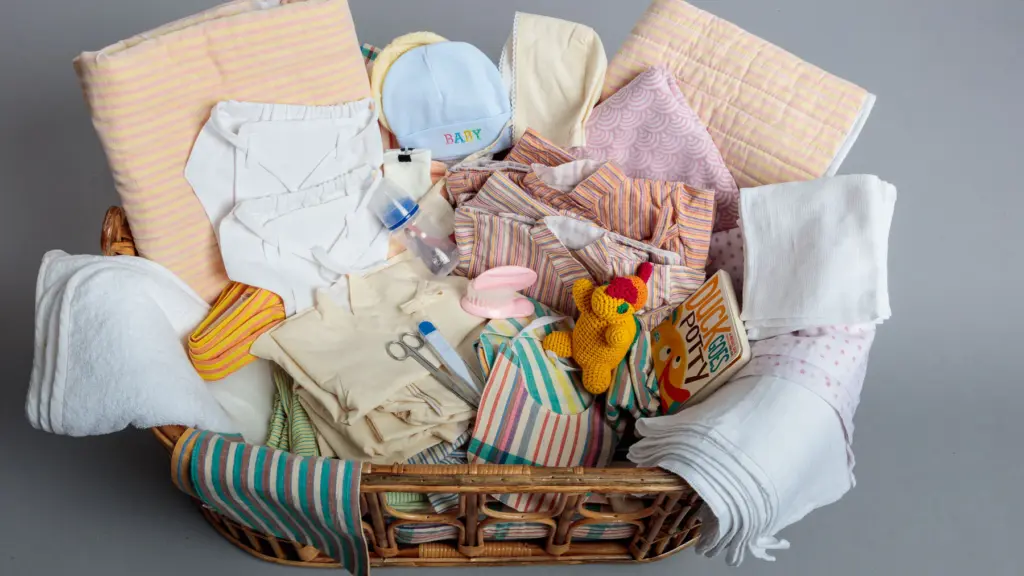
Walk through any market in Harare and you will see baby shops everywhere. Eastgate Market, PAOZ Mall, Galaxy Mall, First Street Mall — baby product stalls are thriving in every corner. Scroll through Facebook and WhatsApp, and you will find dozens of sellers offering preparation hampers, baby clothes, and nursery items.
Why? Because babies do not wait for the economy to improve. Parents will prioritise their children above almost everything else. A mother will cut back on her own needs before she lets her baby go without diapers or warm clothes.
This creates a business opportunity that is as reliable as it gets. And with entry points ranging from a few hundred dollars to tens of thousands, there is room for entrepreneurs at every level.
Why Baby Products Work in Zimbabwe
The baby products market operates on necessity and emotion. Parents do not just need these products — they want the best for their children. This combination creates strong demand and decent margins.

Here is why this business works:
Constant demand: Babies are born every day, creating a steady stream of new customers
– Repeat purchases: Diapers, formula, and toiletries are consumables that parents buy weekly or monthly
– Emotional buying: Parents often upgrade to premium products for their babies even when budgets are tight
– Gift market: Baby showers, makorokoto visits, and christenings drive gift purchases
– Growing customer base: Each new parent becomes a customer for years as their child grows
– Multiple product categories: Clothes, diapers, feeding, furniture, toys — endless variety
– Year-round relevance: No seasonal dips unlike fashion or holiday-focused businesses
Real Market Prices in Zimbabwe
Here is what baby product businesses are currently charging in the Zimbabwean market:
Diapers and Toiletries
– Huggies Dry Comfort (jumbo pack): $11 – $13
– Huggies Gold (jumbo pack): $14 – $15
– Huggies Extra Care: $18
– Pampers Premium Care: $19
– Pampers Mega Box: $36
– Huggies Wipes (box): $22
– Baby powder (200g): $4
– Baby oil (200ml): $4
– Johnson’s Aqueous Cream (500ml): $4
– Purity porridge/cereal: $2.50 – $3
– Purity jars (125ml): $1.25
– Purity pouches: $1.10

Baby Clothing
– Baby rompers (fleece): $4 – $10
– Baby rompers (cotton): $4 – $6
– Tracksuits (newborn): $5 – $8
– 3-piece sets: $7 – $10
– Baby vests (pack): $5
– Cotton wrappers: $2 – $4
– Fleece wrappers: $3 – $5
– Baby blankets (fleece): $5 – $10
– Mink blankets: $10 – $18
– Baby towels: $3 – $5
– Baby hats: $1 – $2
– Socks (pack): $2 – $5
Baby Furniture and Equipment
– Baby car seat (Stage 1): $45 – $80
– Car seat and stroller combo: $90 – $150
– High chairs: $45 – $100
– Baby walker: $25 – $45
– Camp cot: $40 – $70
– Automatic rocker: $120 – $140
– Manual rocker: $40
– 4-piece foldable bath tub set: $55
– Dish bucket sets: $7 – $10
– Diaper bags: $12 – $18
Preparation Hampers
– Basic hamper: $30 – $50
– Standard hamper: $60 – $80
– Premium hamper: $100 – $150
– Luxury hamper: $150 – $200

Kids Clothing (Toddlers to Age 9)
– Kids tracksuits: $8 – $25
– Kids jeans: $8 – $20
– Kids dresses: $8 – $15
– School shoes (Bata): $5
– Kids sneakers: $8 – $10
– Princess/occasion dresses: $15 – $25
How to Start: Four Entry Points
Entry Point 1: WhatsApp Reseller (Capital: $200 – $500)
This is the lowest barrier to entry. You source baby products and resell through social media without a physical shop.
What you need:
– Smartphone with good camera
– WhatsApp Business account
– Facebook page or profile
– Small initial stock (focus on 2-3 categories)
– Reliable supplier relationships
– Storage space at home

What to stock:
– Baby rompers and tracksuits (fast moving)
– Preparation hamper components
– Blankets and wrappers
– Popular diaper brands
How it works:
– Source products from CBD wholesalers/runners or SA imports
– Photograph items attractively
– Post daily on WhatsApp Status and Facebook
– Offer delivery within your area
Build customer base through referrals
Realistic monthly income: $150 – $400
Entry Point 2: Market Stall Baby Shop (Capital: $1,000 – $3,000)
At this level, you have a physical presence where customers can browse and touch products.

What you need:
– Market stall (Eastgate, PAOZ Mall, Galaxy Mall, Meikles Market)
– Display shelves and hangers
– Variety of stock across categories
– Price tags and signage
– Float for change
– WhatsApp for orders and enquiries
Stock to carry:
– Full range of baby clothes (newborn to 24 months)
– Diapers and toiletries
– Blankets, towels, and wrappers
– Feeding accessories
– Preparation hamper components
– Small furniture items (dish sets, bags)
– Realistic monthly income: $400 – $1,200
Entry Point 3: Dedicated Baby Shop (Capital: $5,000 – $15,000)
This is a proper retail operation with a dedicated shop space.

What you need:
– Shop space in mall or shopping centre
– Professional shelving and displays
– Wide range of inventory
– Point of sale system or organised records
– Staff (1-2 assistants)
– Business registration
Product categories to cover:
– Baby clothing (all sizes, newborn to toddler)
– Diapers, wipes, and toiletries
– Feeding bottles, formula, and accessories
– Nursery furniture (cots, high chairs, walkers)
– Car seats and strollers
– Toys and developmental items
– Gift hampers and presentation sets
Services to offer:
– Custom hamper assembly
– Gift wrapping
– Delivery services
– Laybye arrangements
Realistic monthly income: $1,500 – $4,000

Entry Point 4: Full Baby Superstore (Capital: $20,000 – $50,000)
This is a comprehensive baby retail operation serving as a one-stop shop.
What you need:
– Large retail premises
– Full inventory across all categories
– Multiple staff members
– Delivery vehicle
– Strong supplier relationships
– Company registration and compliance
What to offer:
– Complete nursery solutions
– Premium and budget ranges
– Exclusive brand partnerships
– Baby registry service
– Corporate gifting packages
– Nationwide delivery
– Multiple branches
Realistic monthly income: $5,000 – $15,000+

Success Strategies From the Market
Based on what successful baby product businesses in Zimbabwe are doing:
1. Master Preparation Hampers
Baby preparation hampers are a massive market. Every expecting mother needs one, and family members buy them as gifts. Create tiered hamper options at $50, $100, and $150+ price points. Allow customisation so customers can add or remove items.
2. Stock What Parents Actually Need
Focus on essentials that sell every day:
– Diapers (always have Huggies and Pampers in stock)
– Rompers and tracksuits (the most purchased baby clothing)
– Blankets and wrappers (needed year-round)
– Feeding bottles and accessories

3. Offer Free CBD Delivery
Many successful baby shops offer free delivery in Harare CBD or on orders above $25. This convenience drives sales and builds loyalty.
4. Build Relationships With Expecting Mothers
Once you serve a pregnant mother, you have a customer for years. Offer excellent service during the preparation phase, and she will return for every stage of her child’s growth.
5. Create WhatsApp Catalogues
Successful sellers maintain organised WhatsApp catalogues where customers can browse products and prices. Update regularly with new stock and promotions.

6. Stock Both Budget and Premium Options
Some parents want affordable basics. Others want premium brands. Stock both to capture the full market.
7. Target Gift Buyers
Baby showers, makorokoto gifts, and christening presents drive significant sales. Create ready-made gift sets at various price points. Offer gift wrapping services.
8. Expand Into Kids Wear
Once you establish your baby customer base, expand into toddler and kids clothing (up to age 9). Parents who trust you for baby products will buy kids clothes from you too.
Target Market Segments
Expecting Mothers
First-time mothers preparing for their baby. They need everything and often buy in hampers. Very receptive to guidance and recommendations.
Repeat Parents
Mothers with second or third children. They know what they want and value convenience. Often looking for specific items rather than full hampers.
Gift Buyers
Family members, friends, and colleagues buying for baby showers, births, and christenings. They need attractive presentation and gift-ready options.
Diaspora Customers
Zimbabweans abroad sending baby items to family back home. They order online and need reliable delivery.
Institutional Buyers
Orphanages, children’s homes, and NGOs buying in bulk. They need competitive pricing and consistent supply.
Resellers
Smaller vendors buying wholesale to resell in their areas. Offer bulk discounts to capture this market.
Your Action Plan: Week by Week
Week 1: Research and Sourcing
– Visit baby shops in Harare CBD to understand pricing and popular products
– Identify wholesale suppliers (Eastgate Market has many)
– Research import options from South Africa for better margins
– Decide on your entry point based on capital
– Create your WhatsApp Business profile
Week 2: Setup
– Secure your selling location (home, market stall, or shop)
– Purchase initial stock focusing on fast-moving items
– Set up displays or photography area
– Create your price list
– Design your hamper packages
Week 3: Launch
– Post your products on WhatsApp Status
– Share on Facebook with clear pricing
– Tell expecting mothers in your network
– Offer a launch promotion (free delivery or bonus item)
– Deliver your first orders with excellent service
Week 4: Scale
– Track which items sell fastest and restock accordingly
– Ask customers for referrals
– Expand your product range based on demand
– Consider adding delivery partnerships for wider reach
– Build relationships with clinics and antenatal classes for referrals
Essential Tips for Success
Stock Management
– Track what sells and what does not
– Rotate stock to prevent items from becoming outdated
– Keep popular sizes and items always available
– Buy strategically before peak seasons (beginning of year, winter)
Customer Service
– Be patient with first-time mothers who have many questions
– Offer honest advice on what they actually need versus nice-to-have items
– Follow up after purchases to build relationships
– Handle complaints gracefully — word of mouth is everything
Presentation
– Keep products clean and well-displayed
– Use attractive packaging for hampers
– Take good photos for online selling
– Create a welcoming environment in your shop
The Bottom Line
The baby products business in Zimbabwe is built on one of the most fundamental human needs — caring for children. Every day, new parents enter the market looking for products to welcome and nurture their babies. This demand does not fluctuate with trends or seasons. It is constant and growing.
You do not need a large shop to start. You can begin with a few rompers, some blankets, and a WhatsApp account. What matters is that you stock quality products, serve parents with care, and build a reputation as someone they can trust with their most precious customers — their children.
Every baby born is a new customer. Every satisfied parent is a referral waiting to happen. This is not just a business — this is serving families at their most hopeful moments.
Start small. Serve parents. Grow with every baby.
To your success,
ZimLedger Admin

ZimLedger
ZimLedger is the all in one business and finance platform for Zimbabwe. It generates quotes, invoices, payslips and financial statements, manages business ledgers, tracks income and expenses, and builds shopping lists. ZimLedger offers a simple yet powerful solution tailored to local needs. Whether you are budgeting in ZiG or USD, managing business accounts, converting Ecocash statements, or tracking household expenses, ZimLedger empowers you to stay organised, make informed financial decisions, and grow your wealth—right from your phone or computer.