Dear High Earner,
You earn good money. Better than most. Your salary hits your account and for a moment, you feel wealthy.
But by the 20th of the month, you are broke. By month end, you are borrowing. And when you sit down and ask yourself what you have built with all that income — the answer is nothing.
No savings. No investments. No property. No assets. Just a lifestyle that consumes everything you earn and leaves you with nothing but the appearance of success.
This letter is for you.

The Lifestyle Inflation Trap
When you started working, you earned little and lived simply. A small room in Kuwadzana or Chitungwiza. Kombis to work. Sadza and vegetables for dinner. Cheap phones. Second-hand clothes.
Then your income increased. And instead of keeping your expenses low and saving the difference, you upgraded everything.
The room became a cottage. The cottage became a flat. The flat became a house in a “good” suburb. Each move came with higher rent, higher bills, higher expectations.

The kombi became a Honda Fit. The Honda Fit became a newer model. Now you are eyeing something German.
The cheap phone became an iPhone. The latest model, of course. The wardrobe filled with branded clothes. The drinks upgraded from Chibuku to whisky.
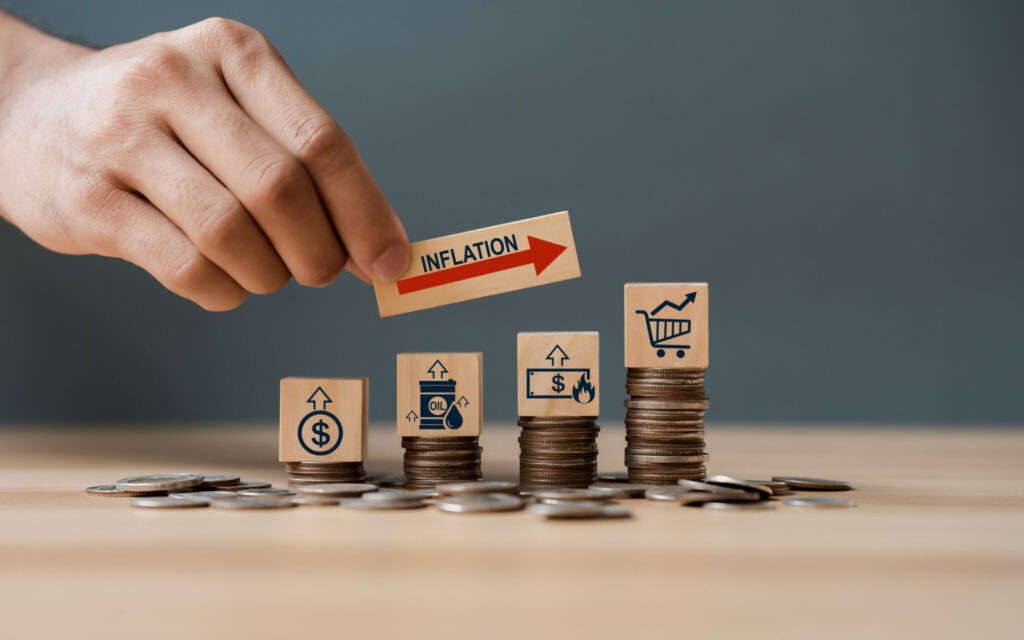
Every time you earned more, you spent more. Your lifestyle inflated to match your income — and sometimes exceed it. This is lifestyle inflation, and it is why high earners stay broke.

The Appearance Economy
Zimbabwe has a culture of appearances. People judge you by what you drive, what you wear, where you live, where you drink. And so we perform wealth we do not have.
You rent a house in Borrowdale but have no furniture savings. You drive a financed car but cannot afford the insurance. You buy rounds at the bar but your children’s school fees are in arrears. You wear designers but your account is overdrawn.
You look successful. You are not successful. There is a difference.

The tragedy is that the people you are trying to impress are doing the same thing. They are also pretending. They are also broke. You are all performing for each other while building nothing.
The Mathematics of Wasted Income
Let us do some calculations.
Suppose you earn $1,500 per month — a good salary in Zimbabwe. Over five years, that is $90,000 that has passed through your hands.

Where is it?
If you had saved just 20% — $300 per month — you would have $18,000 after five years. Enough for a deposit on a house. Enough to start a serious business. Enough to change your life.
But you saved nothing. The $90,000 went to rent that built someone else’s wealth, cars that depreciated, clothes that wore out, drinks that were urinated away, and meals that were digested and forgotten.

You traded $90,000 for memories and appearances. Temporary pleasures and fleeting validation. Was it worth it?
What You Could Have Instead
Imagine a different path. Same salary, different choices.
Year 1-2: You stay in a modest cottage. You drive your old car. You save $400 per month. After two years, you have $9,600.

Year 3: You use $7,000 as a deposit on a stand in an affordable new high density. The $5,000 balance is spread over 24 months. You use $2,000 to start a side business. The business begins generating extra income. You now have money from both your salary and your business.
Year 4: You continue paying off the stand while growing your business. The business income increases. You save what you can while staying disciplined.
Year 5: The stand is fully paid. You start building — foundation first, then walls, then roof — as money allows. Your business is now generating meaningful income that accelerates your progress.

After five years, you have: a fully paid stand with construction underway, a growing business, and no debt. Your colleague who earned the same but spent everything has: nothing but receipts and Instagram photos.
Same income. Different outcomes. The difference is choices.
The Lies You Tell Yourself
“I work hard, I deserve to enjoy my money.”

You do deserve to enjoy life. But enjoyment today should not destroy your tomorrow. There is a balance between living well now and building for the future. You have not found that balance — you have abandoned the future entirely.
“I will start saving when I earn more.”
You said this when you earned $500. You said it at $800. You said it at $1,200. Now you earn $1,500 and you are still saying it. The problem is not your income. The problem is your habits. More money will just mean more spending.

“You only live once.”
Yes, and that one life includes old age. It includes emergencies. It includes children who need education. It includes a body that will eventually fail. “You only live once” is not a reason to be reckless — it is a reason to be wise.
“I need to look successful for my career / business.”
Some industries do require a certain image. But most people overestimate how much appearance matters and underestimate how much substance matters. A client who only works with you because of your car will leave when someone with a better car appears. Build relationships on value, not image.
The Wake-Up Call
One day, something will happen that forces you to face reality.
A medical emergency with no savings to cover it. A job loss with no buffer to survive it. A business opportunity with no capital to seize it. A family crisis that exposes how fragile your finances really are. A parent who needs help that you cannot give. A child’s school fees that you cannot pay.
On that day, your German car will not help you. Your designer clothes will not help you. Your suburb will not help you. You will need money — actual money — and you will not have it.
The people you impressed with your lifestyle will not bail you out. They have their own problems. They are fighting their own battles. You will face the consequences of your choices alone.
Do not wait for that day. Wake up now.
How to Stop the Bleeding
Step 1: Face the truth. Calculate your net worth. Add up what you own minus what you owe. If the number shocks you, good. Let that shock motivate real change.
Step 2: Track your spending. For one month, record every dollar you spend. Use ZimLedger Personal Ledger or a notebook. See where your money actually goes every single day. Most people are horrified when they see it in black and white.
Step 3: Cut the fat. Identify expenses that exist only to impress others. The subscription you do not use. The car you cannot afford. The nights out that drain your account. Cut ruthlessly.
Step 4: Pay yourself first. The day your salary arrives, transfer a fixed amount to savings before you spend anything. Start with 10% if 20% feels impossible. Make it automatic so you cannot talk yourself out of it each month.
Step 5: Set a goal. Save for something specific — a house deposit, a business, an investment. A clear goal makes sacrifice meaningful.
Step 6: Find your people. Surround yourself with people who value building over appearing. You become like the people you spend time with. If your friends only talk about spending, if every gathering is about consumption, find new conversations. Find people who talk about investing, building, and growing. Their influence will change your habits.
The Real Flex
You know what is actually impressive? Owning your house while others rent. Having investments while others have debt. Being able to help family in emergencies while others borrow. Retiring with dignity while others work until they drop. Sending your children to university without borrowing. Sleeping peacefully because your finances are in order.
That is the real flex. Quiet wealth beats loud poverty every time.
Nobody at your funeral will talk about your car. They will not mention your shoes or your watch or where you used to drink. They will talk about what you built, who you helped, and what you left behind. Start building something worth talking about.
Final Word
You have been given a gift that most Zimbabweans do not have — a good income. You have the raw material to build wealth. But you have been wasting it on appearances, on impressing people who do not matter, on a lifestyle that gives you nothing lasting.
It is not too late. You can change direction today. Keep your income, change your habits, and watch your life transform.
Five years from now, you will either have something to show for your earnings, or you will be writing the same story of month-end struggles. You will either own assets or own regrets.
The choice is yours.
With respect for your potential,
ZimLedger Admin

ZimLedger
ZimLedger is the all in one business and finance platform for Zimbabwe. It generates quotes, invoices, payslips and financial statements, manages business ledgers, tracks income and expenses, and builds shopping lists. ZimLedger offers a simple yet powerful solution tailored to local needs. Whether you are budgeting in ZiG or USD, managing business accounts, converting Ecocash statements, or tracking household expenses, ZimLedger empowers you to stay organised, make informed financial decisions, and grow your wealth—right from your phone or computer.