
The Business That Builds Zimbabwe
Drive through any suburb of Harare, Bulawayo, or Mutare. You will see it everywhere — scaffolding rising against the sky, foundation trenches being dug, walls going up brick by brick. Zimbabwe is building.
Despite economic challenges, Zimbabweans have never stopped constructing. Housing cooperatives are forming in every corner of the country. Young professionals are saving to build their first homes. Landlords are adding cottages for rental income. Farmers are expanding their operations. Churches, schools, and businesses are putting up new structures.
And every single one of them needs building materials.
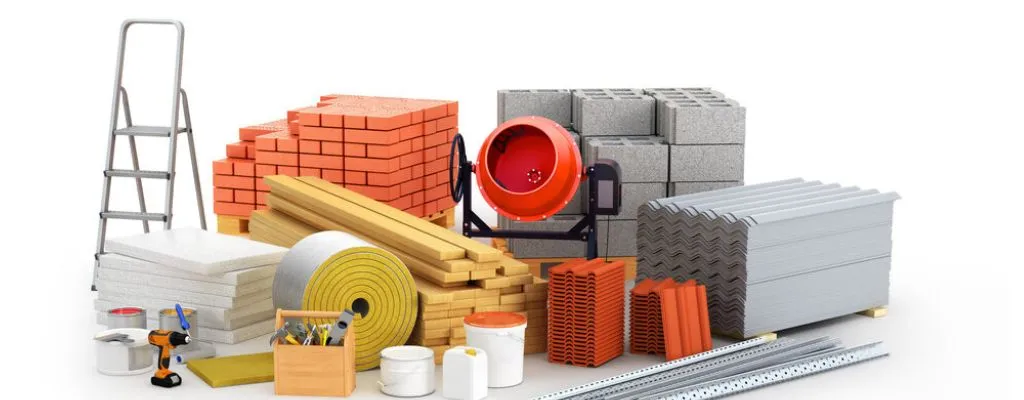
The building materials supply business sits at the heart of this construction activity. Every house requires cement, bricks, sand, stones, steel, roofing sheets, tiles, and dozens of other materials. A single residential project can consume $10,000 to $60,000 worth of materials — all paid in cash, upfront.
This is not a business for the distant future. This is a business for right now.

Why Building Materials Supply Works in Zimbabwe
Zimbabwe has a housing backlog of over one million units, and that number grows every year. In many cities, thousands of building plans are submitted annually. Every one of those plans represents a customer who needs materials delivered to their site.
Here is why this business works:
– Cash business: Building materials are paid for upfront. No credit headaches, no chasing payments
– High volume: A single customer can spend thousands of dollars over the course of their project
– Repeat purchases: Construction happens in phases. Customers return for foundations, walls, roofing, and finishing
– Multiple customer types: Individual home builders, contractors, housing cooperatives, institutions, and farmers all need materials
– Essential products: People cannot build without materials. This is not discretionary spending
– Year-round demand: Construction continues throughout the year, with peaks during dry seasons
Real Market Prices in Zimbabwe
Here is what building materials businesses are currently charging in the Zimbabwean market:

Cement
– Cement (50kg bag, standard brands): $10 – $12
– Cement (bulk/truckload, 600+ bags): $9.50 – $10.50 per bag
– SupaSet: $12.50
Bricks (Per 1,000)
– Semi-commons: $50 – $75
– Red commons: $110 – $130
– Smooth red commons: $120 – $140
– Hardburn: $135 – $160
– Load-bearing bricks: $160
– Face bricks (Botswana): $300 – $430
– Farm bricks: $40 – $45
– Cement commons: $85 – $95
Aggregates (Per Cubic Metre)
– Pit sand: $9 – $14
– River sand: $13 – $18
– 3/4 stones (19mm): $14 – $19
– Quarry dust: $16 – $17
– Crusher run (mixed): $16 – $17
– Gravel: $10

Steel and Reinforcement
– Eco Meshwire (2.4m x 6m): $23 – $24
– Deformed bars Y10 (6m): $3
– Deformed bars Y12 (6m): $4.50 – $5
– Deformed bars Y16 (6m): $8 – $9
Tiles
– 20×45 Wall tiles: $8 per box
– 30×60 Wall tiles: $8.50 per box
– 40×40 Ceramic tiles: $9 per box
– 60×60 Ceramic tiles: $9.50 per box
– 60×60 Porcelain tiles: $10.50 per box
– 120×60 Porcelain tiles: $18 per box
Precast and Concrete Products
– Precast wall (1.8m height, fixed and supplied): $23 – $29 per metre
– Precast wall (2.1m height, fixed and supplied): $25 – $32 per metre
– Precast wall (2.4m height, fixed and supplied): $30 per metre
– Culvert pipes (Class 40D): From $38
– Pavers (60mm plain): $160 per 1,000
– Pavers (60mm coloured): $170 per 1,000
– Pavers (80mm G-block): $210 per 1,000

Adhesives and Finishing
– Ceramic fix adhesive: $3.50
– Porcelain fix adhesive: $4.50
– Grout (5kg): $3.50
– Bonding liquid (5 litres): $5
How to Start: Four Entry Points
Entry Point 1: Commission Agent or Middleman (Capital: $0 – $500)
This is how many successful hardware owners started. You connect customers with suppliers and earn a commission on every sale.
What you need:
– Smartphone with WhatsApp Business
– Knowledge of material prices and suppliers
– Transport contacts for deliveries
– Network of builders, contractors, and homeowners

How it works:
– Find someone with trucks who supplies sand, stones, or bricks
– Offer to sell their materials and earn $10 – $20 per load
– Connect customers to cement suppliers, brick makers, and hardware shops
– Earn commission on every transaction without holding stock
Realistic monthly income: $300 – $800
Entry Point 2: Specialised Supplier (Capital: $2,000 – $8,000)
Focus on one product category and build a reputation for reliable supply.
Popular specialisations:
– Bricks only (work with brick makers in Hatcliffe, Norton, Mt Hampden, or rural areas)
– Aggregates only (sand, stones, quarry dust)
– Steel and reinforcement
– Tiles and finishing materials

What you need:
– Supplier relationships for your chosen category
– Storage space or yard (can be rented)
– Delivery arrangements (own bakkie or contracted transport)
– WhatsApp catalogue with prices
Realistic monthly income: $1,000 – $3,000
Entry Point 3: Hardware Shop (Capital: $10,000 – $30,000)
A physical shop that stocks a variety of building materials and hardware products.
What you need:
– Shop space in high-traffic area (near construction zones or main roads)
– Initial stock across multiple categories
– Display shelving and storage
– Point of sale system or organised record-keeping
– Staff (1-3 assistants)
– Business registration

Products to stock:
– Cement (keep 50-100 bags minimum)
– Tools (hammers, trowels, spirit levels, wheelbarrows)
– Plumbing materials (pipes, fittings, taps)
– Electrical supplies (cables, switches, sockets)
– Paints and finishes
– Roofing accessories
– Safety equipment
Realistic monthly income: $2,000 – $6,000
Entry Point 4: Full Building Materials Distributor (Capital: $50,000 – $150,000)
A comprehensive operation with warehousing, delivery fleet, and wholesale capacity.
What you need:
– Warehouse or yard space (500+ square metres)
– Delivery trucks (at least 2-3 vehicles)
– Full inventory across all categories
– Relationships with manufacturers and importers
– Team of staff (drivers, loaders, sales, admin)
– Company registration and compliance

Services to offer:
– Bulk supply to contractors and cooperatives
– Site delivery anywhere in Zimbabwe
– Credit terms for established customers
– Complete project quotations
– Specialised products on order
Realistic monthly income: $10,000 – $30,000+
Success Strategies From the Market
Based on what successful building materials businesses in Zimbabwe are doing:
1. Offer Payment on Delivery
Trust is everything in this business. Many customers have been burned by suppliers who take deposits and disappear. Advertising “Pay on delivery” or “Cash on delivery” builds confidence and wins customers who are hesitant to pay upfront.

2. Deliver Same Day
Speed wins. When a builder needs materials, they often need them today. Businesses that can deliver within hours of receiving an order capture sales that slower competitors lose. Advertise your delivery times prominently.
3. Target Housing Cooperatives
One cooperative can have 50, 100, or even 500 members all building at the same time. Securing a cooperative as a customer means guaranteed volume over months or years. Offer competitive bulk pricing and reliable supply.
4. Build Relationships With Builders and Contractors
Professional builders buy materials constantly. A single contractor might purchase $5,000 to $20,000 worth of materials per month across multiple projects. Offer them trade discounts and priority service.

5. Stock What Moves Fast
Do not spread your capital across slow-moving items. Focus on essentials that every project needs: cement, bricks, sand, stones, and steel. These move fast and generate cash flow. Add specialty items only when you have consistent demand.
6. Use WhatsApp and Facebook Aggressively
Successful building materials suppliers post daily on WhatsApp Status and Facebook. They share price lists, delivery photos, and customer testimonials. They respond to enquiries within minutes, not hours.
Target Market Segments
Individual Home Builders
People constructing their own homes, often in phases over several years. They need guidance on quantities and specifications. Excellent service turns them into long-term customers who refer others.
Contractors and Builders
Professional builders working on multiple projects. They buy in volume, know exactly what they need, and value reliability over price. Win their trust and they become your most valuable repeat customers.
Housing Cooperatives
Groups of people building together in new developments. They buy in massive quantities and often appoint a single supplier for consistency. Competition for cooperative contracts is intense but the rewards are substantial.
Farmers
Commercial and small-scale farmers building barns, storage facilities, worker housing, and fencing. They need materials delivered to rural areas where other suppliers may not reach.
Institutions
Schools, churches, hospitals, and government projects. They often have budgets approved in advance and pay reliably. Building relationships with procurement officers opens doors to large contracts.
Your Action Plan: Week by Week
Week 1: Research and Relationships
– Visit 3-5 building materials suppliers and hardware shops
– Get price lists and understand margins
– Identify your entry point based on available capital
– Build relationships with brick makers, sand suppliers, and cement distributors
Week 2: Setup
– Secure your selling location or confirm supplier partnerships
– Create your WhatsApp Business catalogue with prices
– Set up your Facebook page with photos of products
– Establish delivery arrangements
Week 3: Launch
– Announce your business on social media
– Reach out to builders and contractors in your network
– Visit construction sites and introduce yourself
– Offer a launch promotion (free delivery or bulk discount)
Week 4: Scale
– Follow up with customers and ask for referrals
– Track which products sell fastest and restock accordingly
– Build relationships with housing cooperatives
– Expand your product range based on customer requests
The Bottom Line
Zimbabwe is building. Every day, foundations are being poured, walls are rising, and roofs are going up. Every single one of those projects needs materials — and someone is going to supply them.
The building materials business rewards those who show up reliably, price fairly, and deliver on their promises. You do not need a massive warehouse to start. You can begin as a commission agent connecting customers with suppliers, or as a specialised dealer focusing on one product category.
What matters is that you enter this market now, build your reputation, and grow as Zimbabwe continues to build.
Every brick laid is a sale. Every bag of cement delivered is a customer served. Every satisfied builder is a referral waiting to happen.
The foundation of Zimbabwe’s future is being laid today. Will you be part of building it?
Here is to laying the first brick of your empire,
ZimLedger Admin

ZimLedger
ZimLedger is the all in one business and finance platform for Zimbabwe. It generates quotes, invoices, payslips and financial statements, manages business ledgers, tracks income and expenses, and builds shopping lists. ZimLedger offers a simple yet powerful solution tailored to local needs. Whether you are budgeting in ZiG or USD, managing business accounts, converting Ecocash statements, or tracking household expenses, ZimLedger empowers you to stay organised, make informed financial decisions, and grow your wealth—right from your phone or computer.