Why People Pay More for Perception Than for Price
Dear Zimbabwean Entrepreneur,
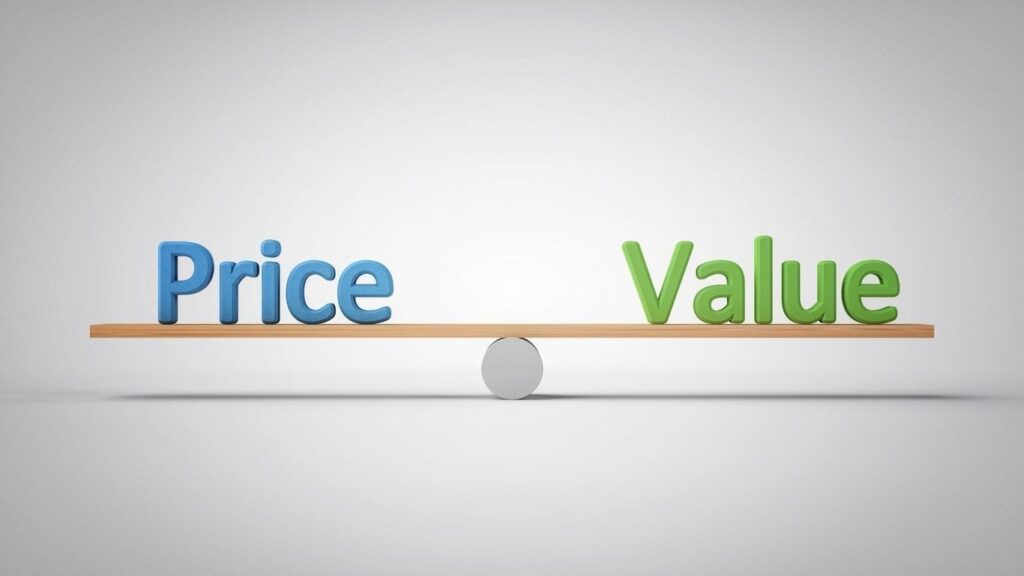
You often hear customers complain, “Your product is too expensive.” Yet those same people will happily spend three times more on a designer label, proudly posting pictures online to show off their purchase. At first, this may feel frustrating or unfair, but let us be clear: the issue is rarely price. The real issue is value and perception.
The Psychology of Buying
In Zimbabwe, as in many parts of the world, people do not simply buy products—they buy identity, status, and a story. A handbag is not just a handbag; it is a symbol of taste. A smartphone is not just a device; it is confidence in your pocket. A soft drink is not just refreshment; it is belonging to a certain lifestyle. Customers want to be seen buying. They want their choices to reflect prestige, style, and success. That is why they sometimes reject affordable local options but celebrate imported or branded ones.
Consider this: two identical pairs of shoes may come from the same factory. One is sold under a strong brand, neatly packaged, with a story of quality craftsmanship. The other is sold without packaging from a street corner. Even if they are physically the same, the branded pair will fetch a higher price and attract more customers. Why? Because people are not paying for leather or stitching—they are paying for perception.
When Cheap Feels Costly
Nobody wants to be seen as “cheap.” A customer may admire your affordable product privately, but if your brand feels ordinary or inferior, they will avoid being associated with it in public. Saving money feels expensive to them if it damages how others perceive them. This is why someone can buy a shirt worth $80 from a designer shop, yet complain when you sell yours for $25. The difference lies in the emotional and social value attached to the product.

When people flex on social media, they rarely show off “the cheapest deal.” They showcase the product that boosts their image. For them, dignity, status, and association are worth more than dollars saved.
The Lesson for Zimbabwean Entrepreneurs
If you want customers to pay, you must stop competing on price alone. Competing on price reduces your work to a commodity—easy to replace and easy to ignore. Instead, compete on brand, value, and perception. Your customers must feel proud, not embarrassed, to be associated with your product. When your brand communicates aspiration, professionalism, and quality, people will not only buy—they will brag about buying.
How to Build Perceived Value
1. Invest in presentation. Packaging, design, and even your shop layout communicate volumes. A jar of peanut butter with a professional label will outsell an unmarked container, even if the taste is the same.

2. Customer experience is branding. A warm greeting, professional language, and clean presentation elevate your brand. When customers feel respected, they connect that respect with your product.
3. Tell your story. People connect to stories more than products. If you sell honey, do not just say “it is honey.” Say, “this is pure organic honey from Nyanga’s highlands, harvested by local families.” Now you are selling health, authenticity, and community impact.
4. Create exclusivity. Limited editions, seasonal products, or “members-only” offers make people feel special. Scarcity builds desire.

5. Leverage social proof. When customers see others celebrating your product, they feel encouraged to join in. Positive reviews, testimonials, and pictures of satisfied clients strengthen trust.
The Trap of Competing on Price
Being “the cheapest” might win you sales today, but it will rob you of sustainability tomorrow. Customers trained to chase low prices will leave the moment someone else drops theirs further. Worse, low pricing often makes people suspect poor quality. In many cases, cheap equals inferior in the customer’s mind.
Think about two shops selling men’s suits. One charges $50, the other $150. Even if both suits are identical, the $150 shop will attract more respect. People assume the higher price equals higher value, and wearing that suit becomes a statement. The $50 suit may be laughed at—even though it came from the same factory.

Turning Products into Brands
A product is something you sell. A brand is something people buy into. A product is judged by cost. A brand is judged by image, loyalty, and prestige. Your challenge as a Zimbabwean entrepreneur is to transform your products into brands that people aspire to own.
Ask yourself:
* Does my product look professional and trustworthy?
* Does my brand tell a story that customers want to repeat?
* Do my customers feel proud to show others that they buy from me?
* Am I shaping an image that commands respect even at higher prices?

Practical Examples of Branding Locally
* A baker who sells bread in plain plastic is just a baker. But a baker who sells bread in branded packaging that highlights freshness, consistency, and hygiene becomes a trusted household name.
* A clothing tailor who delivers garments in ordinary bags is seen as ordinary. A tailor who presents clothes in branded carriers with a clear logo and business card transforms into a fashion label.
* A farmer who sells vegetables at the roadside is competing on price. A farmer who delivers pre-packed, branded, washed produce directly to offices is building a premium food brand.
Your Action Challenge
This week, take deliberate steps to elevate your brand:
* If your packaging is weak, redesign it.
* If your social media is empty, showcase customer testimonials and stories.
* If your product looks like every other product, create a unique identity around it.
* If your prices are low out of fear, test what happens when you raise them slightly while improving presentation.

Customers should not just buy your product—they should want to be seen buying it. That is when you move from survival sales to sustainable growth.
The Choice Before You
Zimbabwean entrepreneurs, understand this: your customers are not just paying for goods and services. They are paying for image, confidence, and pride. If your brand makes them feel valued, they will pay more. If your brand feels cheap, no discount will save you.
You can remain frustrated, watching people choose foreign labels over your own, or you can rise, invest in branding, and make your business the one people proudly show off. The question is not whether Zimbabweans will pay—the question is whether your brand gives them something to boast about.

With respect for your growth,
ZimLedger Admin

ZimLedger
ZimLedger is the all in one business and finance platform for Zimbabwe. It generates quotes, invoices, payslips and financial statements, manages business ledgers, tracks income and expenses, and builds shopping lists. ZimLedger offers a simple yet powerful solution tailored to local needs. Whether you are budgeting in ZiG or USD, managing business accounts, converting Ecocash statements, or tracking household expenses, ZimLedger empowers you to stay organised, make informed financial decisions, and grow your wealth—right from your phone or computer.