
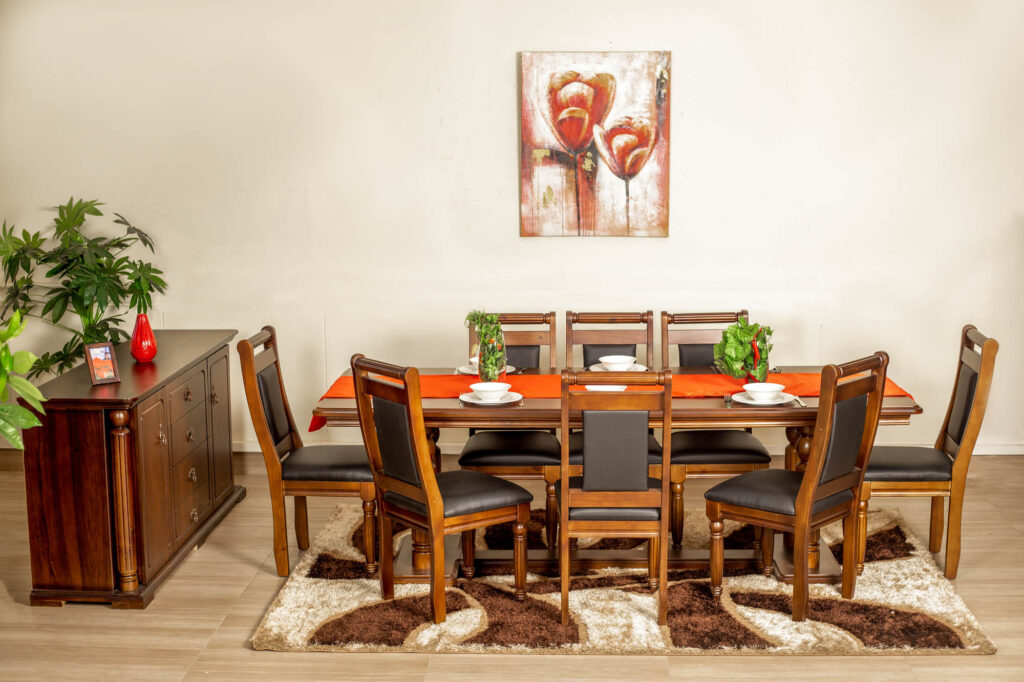
🙏 Thank you to everyone who participated in our furniture making business poll. We asked for your opinion on the furniture making business in Zimbabwe, and the results reveal nuanced perspectives about opportunities and challenges in this sector.
Poll Question: What is your opinion on the Furniture making business in Zimbabwe?
Total votes: 187
Poll Results:
It can work, but only with creativity and quality finishing → 88 votes (47.1%)
Not easy — customers want high quality furniture at low prices → 82 votes (43.9%)
A great business — strong demand and good profit margins → 10 votes (5.3%)

Too much competition — hard to stand out → 7 votes (3.7%)
Key Findings:
Quality and Creativity are Essential: With 47.1% believing the business can work but only with creativity and quality finishing, the largest group recognizes that success requires differentiation through craftsmanship and design.
Price-Quality Tension Dominates: 43.9% highlight the challenge that customers want high quality furniture at low prices, revealing the core profitability challenge in this sector.

Combined Cautious Optimism: Together, 91.0% see furniture making as possible but challenging, requiring either quality/creativity (47.1%) or navigating difficult price-quality expectations (43.9%).
Limited Enthusiasm: Only 5.3% view it as straightforwardly great with strong demand and good margins, showing most people recognize the business complexities.
Competition is Not the Main Concern: Just 3.7% cite competition as the primary challenge, suggesting the market can support multiple players if they deliver value.

Understanding the Dominant Perspective (47.1%):
Why Creativity and Quality Finishing Matter:
Differentiation in Crowded Market: Zimbabwe has many furniture makers, so standing out requires distinctive designs, superior finishing, and creative solutions that customers cannot find elsewhere.
Value Justification: Quality finishing justifies premium pricing, helping overcome the price-quality tension that the 43.9% identify as the main challenge.

Customer Perception: Well-finished furniture signals professionalism and durability, building trust and justifying investment in pieces that will last years.
Word-of-Mouth Marketing: Exceptional quality and creative designs generate referrals and repeat business, reducing marketing costs and building reputation.
Import Competition: To compete with imported furniture, local makers must offer either lower prices or superior customization, quality, and design that imports cannot match.

Understanding the Price-Quality Challenge (43.9%):
Why This Group Sees Difficulty:
Unrealistic Customer Expectations: Customers frequently compare the prices of handcrafted furniture to those of mass-produced pieces made with low-quality materials, without understanding the differences in craftsmanship, material quality, and production costs.
Material Costs: Quality timber, hardware, finishing materials, and tools are expensive, making it difficult to offer low prices while maintaining quality standards.

Labor Intensive: Furniture making requires skilled labor and significant time investment, adding costs that customers may not appreciate or want to pay for.
Economic Pressure: Zimbabwe’s economic challenges mean many customers prioritize price over quality, even while expressing preference for quality furniture.
The Optimists (5.3%):
This small group sees straightforward opportunity with strong demand and good margins. They likely believe that:
– Furniture is always needed for homes and offices
– Customers will pay for quality when properly presented
– Profit margins justify the business investment
– Market size accommodates new entrants

The Competition Concerned (3.7%):
This smallest group worries about standing out in a crowded market, though the low percentage suggests most people believe differentiation is achievable through quality and creativity rather than being fundamentally impossible.
Business Insights for Furniture Entrepreneurs:
Success Strategies Based on Poll Results:
Focus on Quality Finishing: The 47.1% are correct that quality finishing is non-negotiable for success. Invest in proper sanding, staining, varnishing, and attention to detail that elevates your work above competitors.

Creative Design Differentiation: Offer unique designs, customization options, and creative solutions that imported or mass-produced furniture cannot provide.
Customer Education: Address the 43.9% challenge by educating customers about quality differences, durability, customization benefits, and long-term value of well-made furniture.
Tiered Pricing Strategy: Offer different quality tiers – basic functional pieces at competitive prices and premium custom work at higher margins – serving both price-sensitive and quality-focused customers.

Showcase Craftsmanship: Document your process, show quality materials, explain finishing techniques, and build transparency that justifies pricing.
Build Portfolio: Create sample pieces demonstrating your best work, allowing customers to see and feel quality before committing to custom orders.
Target Right Customers: Focus marketing on customers who value quality and customization over lowest price – homeowners furnishing new houses, businesses, and those seeking unique pieces.

Material Sourcing: Develop relationships with timber suppliers to get better prices, consider reclaimed wood for unique pieces, and be transparent about material quality differences.
What This Means:
The poll reveals that Zimbabweans understand furniture making is viable but not easy. The 47.1% who emphasize creativity and quality finishing recognize that success requires differentiation and craftsmanship, while the 43.9% who highlight the price-quality tension acknowledge the real economic challenges of customers wanting premium products at budget prices.
Together, these perspectives paint a realistic picture: furniture making in Zimbabwe offers opportunity for those who can deliver quality and creativity while navigating customer price expectations through education, tiered offerings, and targeting the right market segments.
Key Takeaway:
The furniture making business in Zimbabwe is not straightforward (only 5.3% think so), but it is viable for entrepreneurs who understand that success requires two things: exceptional quality and creativity (47.1%), and smart strategies for managing customer expectations around the price-quality relationship (43.9%).
The business demands craftsmanship, design skills, customer education, and strategic pricing. Those who can deliver high-quality finishing, creative designs, and effectively communicate value proposition will find opportunity in a market that needs furniture but struggles with the tension between quality desires and price constraints.
For aspiring furniture makers, the message is clear: invest in skills, focus on quality finishing, develop creative designs that differentiate your work, and build a business model that either serves premium customers willing to pay for quality or efficiently produces good-quality pieces at competitive prices. The middle ground – mediocre quality at average prices – is where most struggle, as both the 47.1% and 43.9% groups implicitly recognize.

ZimLedger
ZimLedger is the all in one business and finance platform for Zimbabwe. It generates quotes, invoices, payslips and financial statements, manages business ledgers, tracks income and expenses, and builds shopping lists. ZimLedger offers a simple yet powerful solution tailored to local needs. Whether you are budgeting in ZiG or USD, managing business accounts, converting Ecocash statements, or tracking household expenses, ZimLedger empowers you to stay organised, make informed financial decisions, and grow your wealth—right from your phone or computer.