
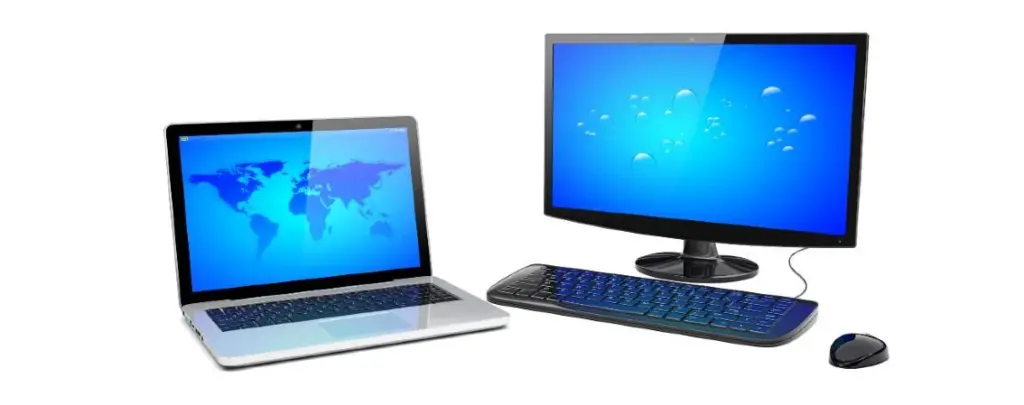
🙏 Thank you to everyone who participated in our computer ownership poll. We asked whether you personally own a computer or laptop, and the results reveal significant insights about digital access and technology adoption in Zimbabwe.
Poll Question: Do you personally own a computer or laptop?
Total votes: 364
Poll Results:
Yes, I have a laptop → 198 votes (54.4%)
No, I do not have one → 75 votes (20.6%)
No, but I plan to buy one soon → 61 votes (16.8%)

Yes, I have both a desktop computer and a laptop → 20 votes (5.5%)
Yes, I have a desktop computer → 10 votes (2.7%)
Key Findings:
Strong Computer Ownership: 62.6% of respondents personally own a computer (laptop only 54.4%, desktop only 2.7%, both 5.5%), showing relatively high digital access among the ZimLedger community.

Laptop Preference Dominates: With 54.4% owning laptops versus just 2.7% owning only desktops, laptops are overwhelmingly the preferred computing device, likely due to portability, space efficiency, and power backup capabilities during load shedding.
Significant Non-Ownership: 20.6% do not own a computer, highlighting the digital divide and barriers to technology access for a substantial portion of the population.
Strong Purchase Intent: 16.8% plan to buy a computer soon, indicating demand and recognition of computers as necessary tools rather than luxury items.

Desktop Decline: Only 2.7% own desktop-only setups, reflecting the shift away from desktop computers in favor of portable devices.
Understanding the Laptop Dominance (54.4%):
Why Laptops Lead:
Portability: Laptops enable work from multiple locations – home, office, cafes, client sites – providing flexibility that desktops cannot match.

Power Backup: Built-in batteries provide crucial protection against load shedding and power cuts, allowing uninterrupted work when ZESA fails.
Space Efficiency: Laptops require minimal space, important in smaller homes or shared living spaces common in Zimbabwe.
All-in-One Solution: Laptops include screen, keyboard, trackpad, speakers, and camera in one package, eliminating need for separate peripherals.
Mobile Work Culture: Increasing remote work, entrepreneurship, and side hustles require computing on the go rather than fixed desktop setups.
Understanding Non-Ownership (20.6%):
Why Some Do Not Own Computers:
Cost Barriers: Computers remain expensive relative to Zimbabwean incomes.

Smartphone Sufficiency: Modern smartphones handle many computing tasks – email, social media, browsing, document viewing – reducing urgent need for computers.
Shared Access: Some may access computers at work, internet cafes, or through family members rather than owning personal devices.
Priority Trade-offs: Limited income forces choices, and computers may rank below housing, food, education, or other necessities.

Technical Literacy: Some may lack confidence or skills to fully utilize computers, reducing motivation to purchase.
The Future Buyers (16.8%):
This group plans to buy computers soon, indicating:
Recognized Need: They see computers as necessary for work, education, business, or personal development rather than optional luxury.

Economic Improvement: May be waiting for financial improvement, saving specifically for computer purchase, or anticipating income increase.
Education or Career Drivers: Students entering university or professionals advancing careers may need computers for specific purposes.
Technology Adoption: Represents population transitioning from smartphone-only to full computing access.

Business Insights:
Computer Sales and Retail Opportunity: With 16.8% planning purchases and 20.6% without computers, there is substantial market for affordable laptops and financing options.
Repair and Maintenance Services: 62.6% computer ownership creates ongoing demand for repairs, upgrades, accessories, and technical support.
Computer Training: Many owners and prospective buyers need training in software, productivity tools, and digital skills, creating education business opportunities.

Affordable Laptop Market: Focus on entry-level and refurbished laptops at accessible prices could capture the 16.8% planning purchases and some of the 20.6% non-owners.
Accessories and Peripherals: Laptop owners need cases, mice, external keyboards, laptop stands, cooling pads, and other accessories.
What This Means:
The 62.6% computer ownership rate among ZimLedger respondents shows relatively high digital access, though this likely reflects the entrepreneurial, business-focused nature of the ZimLedger community rather than general Zimbabwean population. The overwhelming preference for laptops (54.4%) over desktops (2.7%) reflects practical considerations – portability, power backup, and space efficiency trump desktop performance advantages.
The 20.6% without computers and 16.8% planning purchases represent a combined 37.4% potential market for computer sales, training, and digital services. However, affordability remains the key barrier, with cost preventing many from accessing computing technology that increasingly feels essential for education, work, and entrepreneurship.
Key Takeaway:
Zimbabwe shows strong laptop adoption at 54.4%, with laptops dominating over desktops due to portability and power backup advantages during load shedding. Overall computer ownership at 62.6% indicates significant digital access among entrepreneurial Zimbabweans, though the 20.6% without computers highlights persistent digital divide challenges.
The 16.8% planning purchases soon demonstrates recognized need for computers and potential market opportunity for affordable devices and financing options. For businesses, this translates to opportunities in computer sales (especially affordable and refurbished laptops), repair services, accessories, and digital skills training.
The shift from desktops to laptops is essentially complete, with desktop-only ownership at just 2.7%. Future computer buyers will almost certainly choose laptops, driven by practical advantages in Zimbabwe’s context – unreliable electricity requiring battery backup, mobile work patterns, and space constraints making portability essential rather than optional.

ZimLedger
ZimLedger is the all in one business and finance platform for Zimbabwe. It generates quotes, invoices, payslips and financial statements, manages business ledgers, tracks income and expenses, and builds shopping lists. ZimLedger offers a simple yet powerful solution tailored to local needs. Whether you are budgeting in ZiG or USD, managing business accounts, converting Ecocash statements, or tracking household expenses, ZimLedger empowers you to stay organised, make informed financial decisions, and grow your wealth—right from your phone or computer.