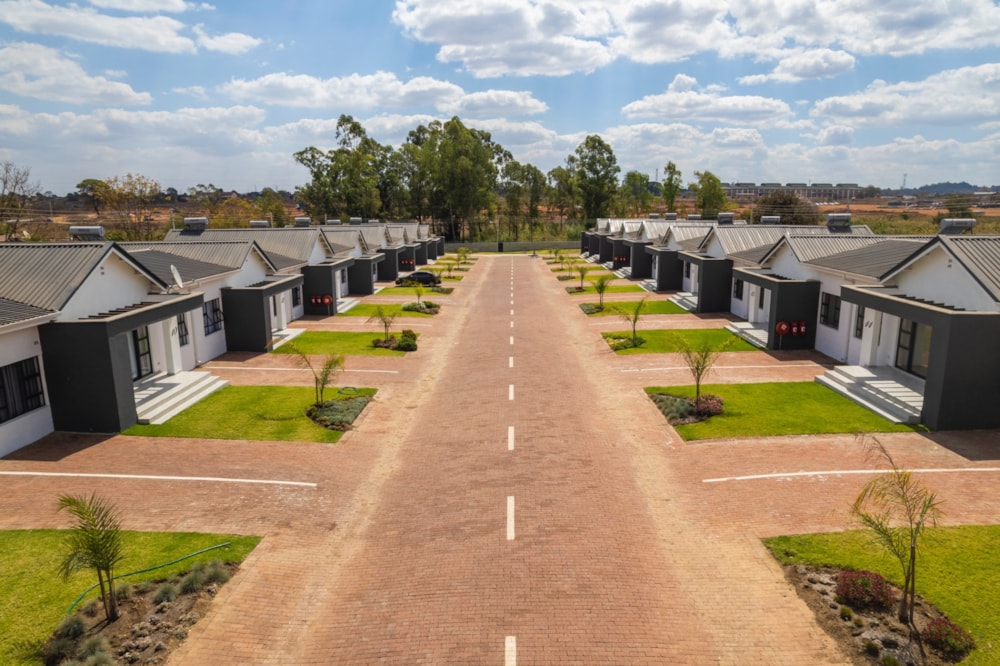
🙏 Thank you to everyone who participated in our housing preference poll. We asked, if price and location were the same, would you prefer to own a house in a gated community or a non-gated neighborhood? The results reveal clear preferences about security, privacy, and lifestyle choices in Zimbabwe.
Poll Questions: If price and location were the same, would you prefer to own a house in a gated community or a non-gated neighbourhood?
Total votes: 246
Poll Results:
Gated community — I prefer security, privacy, and exclusivity → 159 votes (64.6%)
Non-gated neighborhood — I prefer freedom and fewer restrictions → 87 votes (35.4%)
Key Findings:
Strong Preference for Gated Communities: With 64.6% choosing gated communities, nearly two-thirds prioritize security, privacy, and exclusivity over the freedom of non-gated neighborhoods.

Significant Freedom-Seeking Minority: 35.4% prefer non-gated neighborhoods, showing that more than one in three Zimbabweans value freedom and fewer restrictions over the perceived benefits of gated living.
Security Concerns Dominate: The 64.6% majority suggests that security concerns significantly outweigh desires for unrestricted living for most Zimbabweans.
Understanding the Gated Community Preference (64.6%):
Why Security, Privacy, and Exclusivity Appeal:

Crime Prevention: Controlled access points, security guards, and perimeter walls significantly reduce risks of burglary, theft, and home invasions that plague open neighborhoods.
Peace of Mind: Knowing that strangers cannot freely enter the community provides psychological comfort and allows residents to relax without constant security vigilance.
Child Safety: Children can play outside more freely within gated communities without parents fearing traffic, strangers, or other dangers present in open neighborhoods.

Property Value Protection: Gated communities typically maintain higher property values through controlled development, enforced standards, and desirable security features.
Controlled Environment: Residents have say in who enters, reducing unwanted solicitors, vendors, noise, and disturbances common in open neighborhoods.
Amenity Access: Many gated communities offer shared amenities like parks, playgrounds, pools, or recreational facilities unavailable in standard neighborhoods.

Community Standards: Rules and regulations ensure neighbors maintain properties, reducing risk of eyesore developments that could lower property values or quality of life.
Status and Exclusivity: For some, living in gated communities signals success, providing social status and association with particular economic class.
Understanding the Non-Gated Preference (35.4%):
Why Freedom and Fewer Restrictions Appeal:

Personal Freedom: No homeowner association rules dictating paint colors, fence styles, parking arrangements, or landscaping choices – complete autonomy over your property.
Lower Costs: No monthly levies, security fees, or homeowner association dues that gated communities require, keeping housing costs lower.
Visitor Flexibility: Friends, family, delivery services, and tradespeople can access your home freely without security clearance delays or visitor registration hassles.

Community Integration: Open neighborhoods foster broader community interaction rather than the insularity that gated communities can create.
Less Bureaucracy: No need to seek committee approval for renovations, additions, or property modifications – your house, your rules.
Authentic Living: Preference for real, diverse, less manufactured community environments over curated, homogeneous gated enclaves.

Independence: Dislike of collective decision-making, rules enforcement, and the politics often present in homeowner associations.
Accessibility: Easier for businesses, services, and economic activity without security barriers that can limit opportunities.
What This Means:
The 64.6% preference for gated communities reflects Zimbabwe’s security concerns and desire for controlled, predictable living environments. Crime rates, property security issues, and safety concerns drive most people to prioritize gates, guards, and restricted access over personal freedom and lower costs.

However, the substantial 35.4% preferring non-gated neighborhoods shows significant diversity in priorities. These individuals value autonomy, lower costs, fewer restrictions, and authentic community living over the security and exclusivity that gated communities provide.
Key Takeaway:
Given equal price and location, Zimbabweans prefer gated communities (64.6%) over non-gated neighborhoods (35.4%), prioritizing security, privacy, and exclusivity over freedom and fewer restrictions. This preference reflects genuine security concerns in Zimbabwe and the appeal of controlled environments where residents feel safer and property values are better protected.
However, more than one-third prefer non-gated neighborhoods, valuing personal freedom, lower costs, fewer restrictions, and authentic community integration over the perceived benefits of gates and guards. This significant minority rejects the trade-offs that gated living requires – monthly levies, homeowner association rules, visitor access complications, and loss of autonomy over their own property.

For property developers and urban planners, the 64.6% preference for gated communities indicates strong market demand for secure, controlled residential environments. For homebuyers, the choice reflects fundamental lifestyle values – whether you prioritize security and controlled environments or freedom and unrestricted living, with neither choice being objectively right or wrong but rather reflecting personal priorities and circumstances.

ZimLedger
ZimLedger is the all in one business and finance platform for Zimbabwe. It generates quotes, invoices, payslips and financial statements, manages business ledgers, tracks income and expenses, and builds shopping lists. ZimLedger offers a simple yet powerful solution tailored to local needs. Whether you are budgeting in ZiG or USD, managing business accounts, converting Ecocash statements, or tracking household expenses, ZimLedger empowers you to stay organised, make informed financial decisions, and grow your wealth—right from your phone or computer.