The Business That Never Runs Out of Customers
There are hundreds of thousands of vehicles on Zimbabwe’s roads, and every single one of them will break down, wear out, or need a replacement part at some point. Engines fail. Gearboxes give in. Shock absorbers wear out. Headlights crack. Spark plugs need changing. Brake pads thin out. Clutches burn.
This is not a maybe. This is a certainty. And it happens to every vehicle, every year, without exception.
Now consider this: most cars on Zimbabwe’s roads are ex-Japanese imports, and the majority are more than five years old. Older vehicles need more parts, more often. The owner of a 2008 Toyota cannot simply walk into a dealership and buy a brand-new car when something breaks. They need an affordable replacement part, and they need it fast.
This is why the automotive spare parts business is one of the most resilient and profitable ventures in Zimbabwe. While other businesses rise and fall with the economy, the demand for car parts never stops. People must keep their vehicles running, whether the economy is booming or struggling. A working car means a working livelihood for most Zimbabweans.
Why Automotive Spare Parts Works in Zimbabwe
The spare parts business is built on guaranteed, recurring demand. Vehicles are essential, they break down predictably, and owners will always find money to keep them running.

Here is why this business works:
– Guaranteed demand: Every vehicle needs parts, and breakdowns are inevitable
– Aging vehicle fleet: Most cars in Zimbabwe are older imports that need frequent repairs
– High-value transactions: A single engine sale can bring in $1,000 to $3,500
– Recurring purchases: Consumables like oil, filters, plugs, and brake pads sell constantly
– Recession-resistant: People prioritise keeping their vehicles running above almost everything
– Multiple specialisation options: You can focus on one brand, one part type, or one vehicle category
– Strong margins: Parts bought wholesale or imported directly carry healthy markups
Real Market Prices in Zimbabwe
The spare parts market spans everything from one-dollar spark plugs to engines costing thousands. Here is what parts are currently selling for in the Zimbabwean market:
Engines (Ex-Japanese Imports)
– Nissan X-Trail QR20/QR25 engine: $1,000 – $1,200
– Nissan Navara/NV350 YD25 engine: $2,800 – $3,300
– Nissan QD32 engine: $2,000 – $2,400
– Nissan ZD30 common rail engine: $1,500 – $1,800
– Nissan FD42 engine: $3,300 – $3,700
– Nissan FD35 engine: $2,700 – $3,100
– Isuzu 4JB1 engine: $2,100 – $2,500
– Toyota Hiace 2L/3L/5L engine: $1,900 – $2,300
– Honda Fit GE6 engine: $600 – $800
– Honda Fit GP5 hybrid engine: $850 – $1,500
– Honda CRV K20 engine: $1,000 – $1,200

Gearboxes
– Automatic gearbox (X-Trail T30): $400
– Automatic gearbox (NV350/Navara): $700
– Automatic gearbox (ZD30): $800
– Manual gearbox (various): $500 – $700
– Nissan caravan automatic gearbox: $800
Half Cuts and Nose Cuts
– Complete half cut (X-Trail T31 new shape): $1,000 – $1,500
– Complete nose cut (Navara D40): $700
– Caravan nose cut (new shape): $700
– Caravan nose cut (old shape): $600
– High roof boot (caravan): $200
Suspension and Steering Parts
– Complete front suspension (X-Trail T30): $450
– Front shocks: $40 – $50 each
– Brake discs: $20 – $50 each
– Hub and hub carrier: $80 – $150
– Lower control arms: $30 – $40 each
– Drive shafts: $50 – $80 each
– Steering rack: $100 – $130
– Subframe: $60 – $100
– Brake callipers: $15 – $30

Body Parts
– Doors: $120 – $150 each
– Bonnet: $150
– Headlights: $70 – $250 each
– Taillights: $70
– Plastic bumper: $150 – $250
– Metal safari bumper: $500
– Fenders: $100 each
– Grille: $50
– Radiator: $150 – $200
– Dashboard cluster: $150
Consumables and Service Parts
– Castrol 5W30 (4 litres): $30
– Total 5W30 (5 litres): $35
– Nissan Matic J ATF (4 litres): $60
– Spark plugs (NGK/Denso ordinary): $1 each
– Spark plugs (Iridium/Platinum): $3.50 – $4 each
– Clutch kits (Toyota Hilux/Fortuner): from $380
– Windscreen (Toyota Quantum frame): $100
How to Start: Five Entry Points
Entry Point 1: Specialist Parts Reseller (Capital: $1,000 – $3,000)
This is the lowest barrier to entry. You specialise in one type of fast-moving part and sell through WhatsApp, Facebook, and word of mouth.

What you need:
– WhatsApp Business account with catalogue
– Facebook page
– Initial stock of one specialist line (e.g. spark plugs, filters, brake pads, or suspension parts)
– Reliable supplier or import connection
– Basic knowledge of vehicle parts and compatibility
– Storage space at home
Best niches to start with:
– Spark plugs and fuel pumps (low cost, high volume)
– Engine oils and filters (constant repeat demand)
– Brake pads and discs (regular wear items)
– Suspension parts for one popular model (Honda Fit, X-Trail)
How it works:
– Source parts wholesale or import directly
– Build relationships with mechanics who refer customers
– Post stock and prices on WhatsApp and Facebook
– Offer delivery to garages and workshops
Realistic monthly income: $400 – $1,000

Entry Point 2: Single-Brand Parts Dealer (Capital: $5,000 – $15,000)
At this level, you specialise in parts for one vehicle brand or family, becoming the go-to dealer for that make.
What you need:
– Small shop or stall in an auto parts area
– Stock focused on one brand (Nissan, Toyota, Mercedes, BMW, Mahindra)
– Import connections (Dubai or Japan)
– Display shelving and storage
– Basic point of sale records
– Staff member
Specialisation examples from the market:
– Nissan caravan and X-Trail specialist
– Toyota Hilux and Fortuner parts
– Mercedes-Benz and BMW spares
– Honda Fit and hybrid specialist
– Hino, Dutro, and Dyna truck parts

Why specialise: Customers seek out specialists. A Nissan owner wants a dealer who knows Nissan inside out and stocks the exact parts they need. Specialisation builds reputation and referrals.
Realistic monthly income: $1,500 – $4,000
Entry Point 3: General Motor Spares Shop (Capital: $8,000 – $25,000)
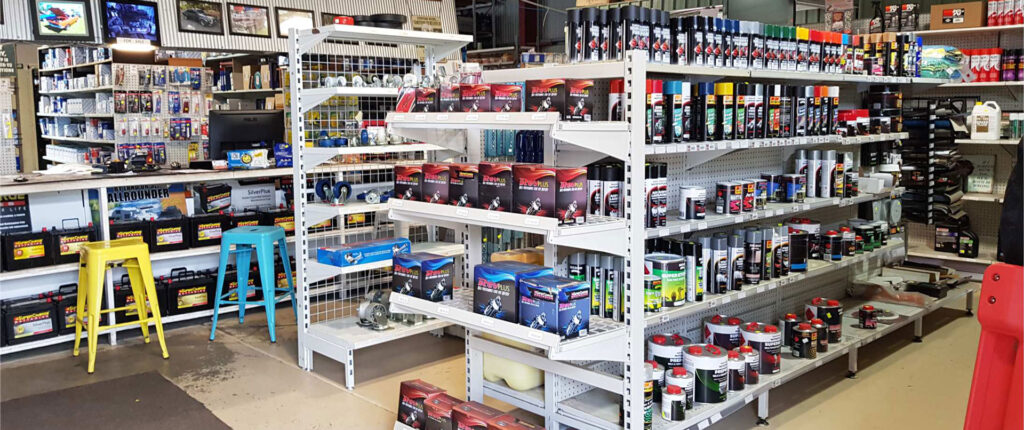
This is the most common entry point in the market — a general motor spares shop stocking a wide range of fast-moving parts across multiple popular brands. Rather than specialising in one make, you serve the everyday needs of the largest possible customer base.
What you need:
– Shop in a high-traffic auto parts area or busy roadside location
– Broad stock across the most common vehicles on Zimbabwe’s roads
– Multiple supplier and import relationships
– Display shelving, counter, and storage
– Point of sale system or organised records
– Staff (1-2 counter assistants)
– Business registration

What to stock:
– Service consumables (oils, filters, spark plugs, brake pads) for all popular models
– Suspension and steering parts (shocks, control arms, ball joints, tie rods)
– Electrical parts (alternators, starters, sensors, batteries)
– Common body parts and lights
– Belts, hoses, radiators, and cooling parts
– Clutch kits and bearings
– Wide range covering Toyota, Honda, Nissan, Mazda, and Mitsubishi
Why this model works: A general shop captures walk-in trade from any vehicle owner or mechanic who needs a part right now. Because you stock for the most common cars on the road, you rarely turn a customer away. Fast-moving consumables generate daily cash flow while occasional bigger sales boost your margins. This broad approach is why most successful spare parts businesses in Zimbabwe start as general shops.
Realistic monthly income: $2,000 – $5,000
Entry Point 4: Import and Breaking Yard (Capital: $20,000 – $60,000)
This is a higher-volume operation where you import half cuts and salvage vehicles, then break them down and sell the parts.

What you need:
– Yard or warehouse space
– Import connections in Japan or Dubai
– Capital for regular container shipments
– Workshop for dismantling vehicles
– Staff (dismantlers, sales, storage)
– Transport for deliveries
– Business registration
How it works:
– Import half cuts, nose cuts, and salvage vehicles by container
– Dismantle them in your workshop
– Sell individual parts at retail margins
– A single imported half cut can yield dozens of saleable parts
The economics: A half cut that costs $1,500 to import can yield an engine, gearbox, doors, lights, suspension, and dozens of smaller parts. Sold individually, these can bring in $3,000 to $5,000 — a strong return on each container.

Entry Point 5: Full Auto Parts Supply Company (Capital: $80,000 – $200,000)
This is a comprehensive operation supplying parts across multiple brands with branches and trade accounts.
What you need:
– Large premises in an industrial or auto parts district
– Extensive inventory across brands and categories
– Multiple import channels (Japan, Dubai, genuine OEM suppliers)
– Trade accounts with garages and fleet operators
– Multiple staff (sales, warehouse, drivers, admin)
– Branches in major cities
– Company registration and compliance
What to offer:
– New and used parts across all major brands
– Genuine OEM and quality aftermarket parts
– Fast import service for hard-to-find parts
– Trade accounts for workshops and fleets
– Fitting and installation services
– Nationwide delivery
Realistic monthly income: $10,000 – $30,000+

Success Strategies From the Market
Based on what successful auto parts businesses in Zimbabwe are doing:
1. Specialise to Build Reputation
The most successful parts dealers are known for something specific. “The Nissan caravan guys.” “The BMW specialists.” “The Hino truck parts centre.” When you specialise, customers seek you out, mechanics refer to you, and you become the authority for that brand. Specialisation beats trying to stock everything.
2. Build Relationships With Mechanics
Mechanics are your most valuable referral source. When a mechanic diagnoses a problem, they tell the customer where to buy the part. Build strong relationships with workshops, offer them trade prices, and they will send a steady stream of customers your way.
3. Establish Reliable Import Channels
The real margin in this business comes from importing directly. Build trusted connections in Japan and Dubai. Many successful operators have containers loading weekly from Dubai. Direct imports cut out the middleman and let you offer better prices while keeping healthy margins.
4. Stock Fast-Moving Consumables
Engines and gearboxes are high-value, but they sell occasionally. Consumables like spark plugs, oil, filters, and brake pads sell every single day. Stock these to generate constant cash flow between the bigger sales.
5. Offer Value-Added Services
Some successful dealers offer free press fitting for bearings and bushings, or supply-and-fit services. These extras differentiate you from competitors and give customers a reason to choose you. A small added service can win the sale.
6. Emphasise Genuine and Quality Parts
The market is shifting toward quality. Customers are learning that cheap fake parts cost more in the long run through repeated failures. Position yourself as a source of genuine and quality parts. Build trust, and customers will pay for reliability and return for every future need.
7. Know Your Parts and Compatibility
Knowledge is your edge. Knowing exactly which part fits which model, year, and engine makes you invaluable. Customers trust a dealer who can confidently identify the right part. This expertise turns one-time buyers into loyal customers.
8. Use WhatsApp Catalogues Effectively
Organise your stock into WhatsApp Business catalogues by brand and part type. Post new arrivals and promotions regularly. Many successful dealers run their entire operation through WhatsApp, taking orders and arranging deliveries without customers ever visiting the shop.
Target Market Segments
Individual Vehicle Owners
The largest market. Ordinary car owners needing replacement parts for repairs. They want affordable, reliable parts and value a dealer who can guide them to the right component.
Mechanics and Workshops
Garages buying parts for customer repairs. They need quick supply, trade pricing, and reliability. Once you earn a workshop’s trust, they become a steady, high-volume account.
Fleet Operators
Companies running multiple vehicles — logistics firms, delivery services, transport operators. They need consistent parts supply to keep their fleets running and represent valuable recurring accounts.
Truck and Commercial Operators
Owners of Hino, Fuso, Isuzu, and other commercial vehicles. Truck parts are high-value and specialist. This is a profitable niche with less competition.
Other Parts Dealers
Smaller dealers and resellers buying from importers. If you import in volume, you can wholesale to other dealers, adding another revenue stream.
DIY Vehicle Owners
Hands-on owners who do their own repairs. They research parts, compare prices, and value knowledgeable service. They are loyal once they find a reliable source.
Your Action Plan: Week by Week
Week 1: Research and Specialisation
– Study the auto parts market and identify a profitable niche or brand
– Research which vehicles are most common on Zimbabwe’s roads
– Identify wholesale suppliers and import connections
– Understand parts compatibility for your chosen specialisation
– Create your WhatsApp Business profile and Facebook page
Week 2: Sourcing and Setup
– Establish supplier or import relationships
– Purchase your initial stock focused on your specialisation
– Set up storage and organisation systems
– Create a catalogue with photos and prices
– Connect with local mechanics and workshops
Week 3: Launch
– Post your stock on WhatsApp Status and Facebook
– Visit workshops to introduce your business and offer trade prices
– Join automotive Facebook groups and parts trading communities
– Offer a launch promotion to your first customers
– Deliver promptly and professionally
Week 4: Scale
– Track which parts sell fastest and restock accordingly
– Build your network of referring mechanics
– Reinvest profits into expanding stock or import volume
– Develop trade accounts with workshops and fleets
– Establish your reputation as a reliable specialist
Essential Tips for Success
Knowledge is Your Greatest Asset
The more you know about vehicles, parts, and compatibility, the more valuable you become. Invest time in learning the parts for your specialisation. A knowledgeable dealer earns trust and commands loyalty.
Manage Your Imports Carefully
Importing carries risk. Verify suppliers before sending payment, as scams exist in this industry. Start with smaller orders to test reliability, then scale up with trusted partners. Always confirm bank details before transferring funds.
Quality Builds Long-Term Business
Selling substandard parts may win a quick sale but destroys your reputation. Focus on genuine and quality parts. A customer who gets a reliable part returns for every future need and refers others.
Keep Detailed Stock Records
Track what you have, what sells, and what to reorder. Good records prevent you from running out of fast-moving parts or tying up cash in slow-moving stock.
Build Trust Through Honesty
If you do not have a part, say so and help the customer find it or offer to import it. Honesty builds the kind of reputation that makes customers return and refer others. Trust is the foundation of a lasting parts business.
The Bottom Line
The automotive spare parts business runs on one of the most reliable demands in Zimbabwe. As long as there are vehicles on the road — and there always will be — there will be a constant need for the parts that keep them running. This is a business that does not depend on trends, seasons, or economic cycles. Cars break down in good times and bad, and owners always find a way to repair them.
You do not need a warehouse to start. You can begin by specialising in one fast-moving part line, building relationships with mechanics, and selling through WhatsApp. As you learn the market and build your reputation, you expand your range, establish import channels, and grow toward a full parts operation.
The key is specialisation, knowledge, and trust. Become the dealer that customers and mechanics rely on for a specific brand or part, know your parts inside out, and always deliver quality. Do this, and you build a business that keeps earning as reliably as Zimbabwe keeps driving.
Here is to your success, one part at a time.
ZimLedger Admin

ZimLedger
ZimLedger is the all in one business and finance platform for Zimbabwe. It generates quotes, invoices, payslips and financial statements, manages business ledgers, tracks income and expenses, and builds shopping lists. ZimLedger offers a simple yet powerful solution tailored to local needs. Whether you are budgeting in ZiG or USD, managing business accounts, converting Ecocash statements, or tracking household expenses, ZimLedger empowers you to stay organised, make informed financial decisions, and grow your wealth—right from your phone or computer.